Spoil Your Best Friend! Shop Our Dog Favorites Today →

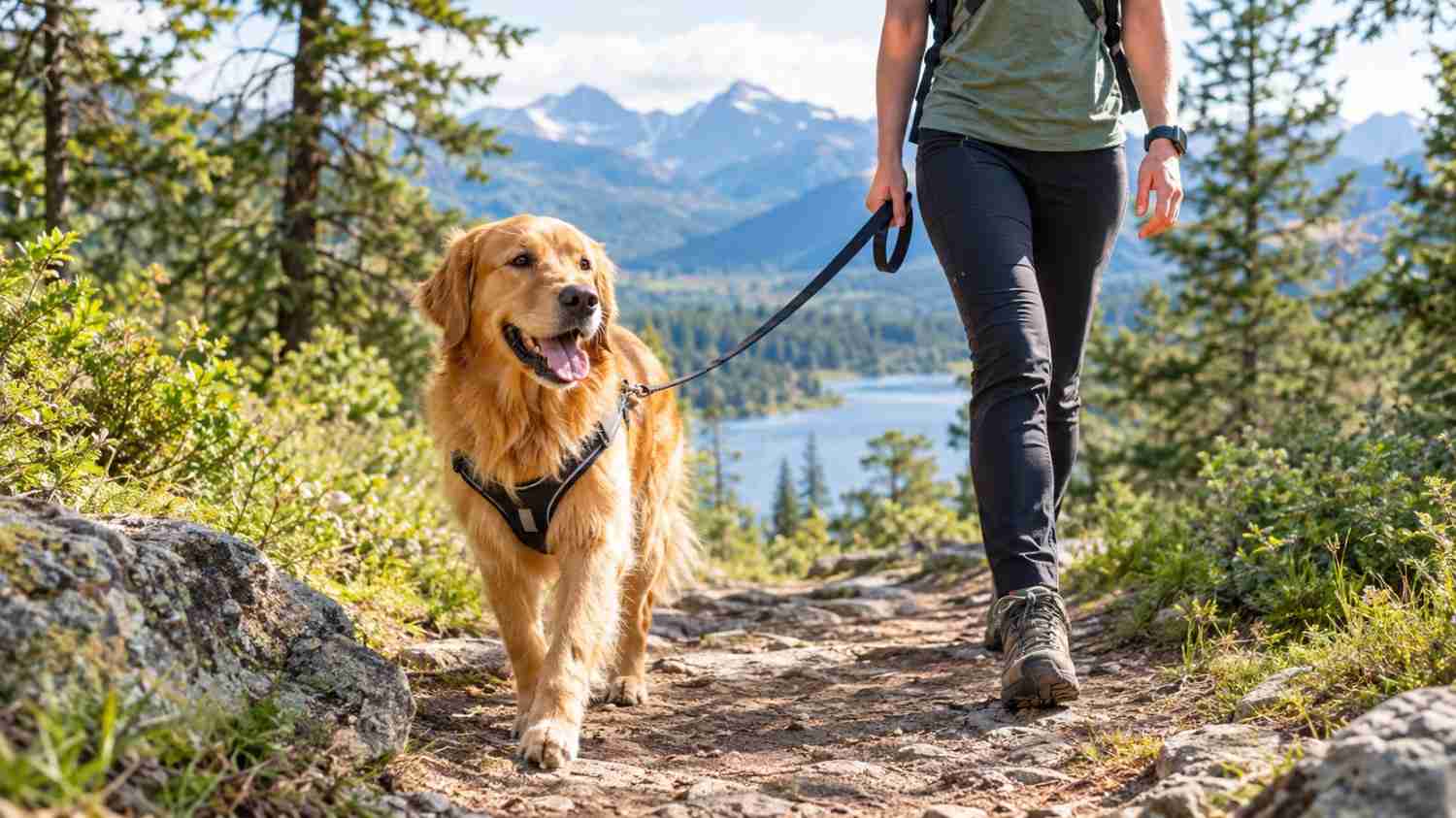
Dog Walking and Outdoor Safety: Essential Tips
Walking your dog is more than a daily routine. It provides physical exercise, mental stimulation, opportunities to explore new environments, and valuable bonding time.
However, every outdoor adventure comes with potential risks, from busy roads and extreme weather to unfamiliar dogs, wildlife, and hidden hazards along walking trails.
Understanding dog walking and outdoor safety helps you make better decisions before, during, and after every walk. Whether you are exploring a neighborhood park in the United States, walking countryside trails in the United Kingdom, hiking in Canada, or enjoying European city streets, a few practical precautions can make outings safer and more enjoyable.
The best approach is to prepare your equipment, choose a suitable route, understand your dog's physical limits, and remain aware of your surroundings.
This guide explains how to walk your dog safely in different environments and weather conditions.
Why Is Dog Walking and Outdoor Safety Important?
Regular walks support your dog's overall well-being, but safety should always come first. Dogs can become distracted by wildlife, frightened by traffic, overheated during exercise, or injured by sharp objects and rough terrain.
A safe walking routine helps you:
-
Reduce the risk of traffic accidents and accidental escapes.
-
Protect your dog's paws from hot pavement, ice, and rough surfaces.
-
Lower exposure to ticks, parasites, and potentially contaminated water.
-
Prevent dangerous encounters with unfamiliar dogs and wildlife.
-
Recognize signs of fatigue, overheating, or discomfort early.
-
Build confidence through calm, positive outdoor experiences.
Every dog has different needs. Age, breed, fitness, health, temperament, and previous training all affect how much exercise a dog can comfortably handle. Puppies, senior dogs, short-nosed breeds, and dogs with existing health conditions may require additional precautions.
What is dog walking and outdoor safety?
Dog walking and outdoor safety means protecting your dog from hazards during walks and outdoor activities. Use a secure leash, choose safe routes, carry fresh water, avoid extreme weather, protect paws, prevent tick exposure, and keep your dog away from traffic and wildlife.
1. Prepare Your Dog Before Every Walk
Preparation is one of the simplest ways to prevent outdoor accidents. Before leaving home, check your dog's equipment, identification, physical condition, and the weather forecast.
Choose a suitable leash and harness
Use a sturdy leash and a properly fitted collar or harness that your dog cannot easily slip out of. A fixed-length leash often provides better control near roads, crowded sidewalks, and wildlife areas than a retractable leash.
A harness may be helpful for dogs that pull or need additional support, but the best option depends on the dog's size, behavior, and walking style. Check the fit regularly to prevent rubbing or escape.
Keep your leash in good condition and replace damaged clips, frayed webbing, or worn attachments. Never assume a leash is secure simply because it worked well on previous walks.

Check identification and training
Make sure your dog wears identification with current contact information. Keep microchip registration details updated, and check local requirements for identification and lead use.
Practice essential cues such as:
-
Come: Return to you when called.
-
Leave it: Move away from something unsafe.
-
Wait: Pause before crossing a road or passing through a gate.
-
Let's go: Move calmly away from a distraction.
Training improves communication, but recall is never completely reliable around every distraction. Keep your dog leashed wherever required or where an escape could create danger.
Pack essential walking supplies
For longer walks and outdoor adventures, carry fresh water, a portable bowl, waste bags, and your phone. Depending on the location and duration, you may also need a first-aid kit, a light for low-visibility conditions, a towel, and suitable paw protection.
Bring enough water for both you and your dog. Do not rely on finding a clean stream or public water source along the way.
2. Keep Your Dog Safe Around Roads and Traffic
Roads are among the most important hazards to consider during everyday dog walking. Even a normally calm dog may suddenly chase a squirrel, react to a loud vehicle, or pull toward another animal.
Follow these precautions:
-
Walk on sidewalks or designated pedestrian paths whenever possible.
-
Keep your dog on the side away from moving traffic.
-
Shorten the leash near intersections, driveways, and crowded streets.
-
Stop before crossing and wait until the route is clear.
-
Use designated crossings and obey pedestrian signals.
-
Never allow your dog to run ahead into a road, even if traffic appears quiet.
Avoid walking with headphones at a volume that prevents you from hearing approaching vehicles, cyclists, or warnings from other pedestrians.
During dark mornings, evenings, or winter afternoons, use reflective equipment and consider a visibility light for your dog. Choose a well-lit route and remain particularly alert near driveways and parking areas.
If you walk beside rural roads without sidewalks, select the safest available route and avoid narrow sections where vehicles pass close by. If a road feels too dangerous, choose another walking location.
3. Protect Your Dog From Heat and Hot Pavement
Warm weather can make ordinary walks hazardous. Dogs primarily cool themselves through panting, and strenuous activity in hot or humid conditions can lead to heatstroke. Hot asphalt, concrete, sand, and other surfaces can also burn paw pads.
The American Veterinary Medical Association recommends exercising dogs during cooler hours, avoiding hot pavement, providing water, and taking frequent breaks. Source: AVMA warm-weather pet safety.
Walk during cooler hours
Choose early mornings or cooler evenings during hot weather. Avoid strenuous exercise when temperatures or humidity are high, and remember that shade and a pleasant air temperature do not guarantee safe ground conditions.
Before walking, check the pavement with the back of your hand. If you cannot comfortably keep it there for several seconds, choose a cooler surface or postpone the walk. This is a practical screening method, not a guarantee that every surface is safe.
Carry water and watch for overheating
Offer regular water breaks and allow your dog to rest in the shade. Shorten the walk if your dog is tiring more quickly than usual.
Warning signs of heat stress can include excessive panting, heavy drooling, restlessness, weakness, unsteadiness, vomiting, or collapse. Abnormal gum or tongue color is another serious warning sign.
If you suspect overheating, stop exercising immediately, move your dog to a cooler place, begin cooling with cool—not ice-cold—water, and contact a veterinarian urgently. Collapse, confusion, or severe breathing difficulty requires emergency veterinary care.
Never leave your dog unattended in a parked vehicle, even with the windows partly open.
4. Protect Your Dog's Paws From Outdoor Hazards
Your dog's paws encounter everything on the walking route, including gravel, broken glass, thorny plants, hot pavement, road salt, and frozen ground.
Before leaving, check the route for visible hazards. On unfamiliar trails, avoid forcing your dog across sharp rocks, unstable surfaces, or areas covered with broken branches.
During winter, ice and de-icing products can irritate paws. Consider well-fitted dog boots if your dog tolerates them, and rinse or wipe paws after walks where road salt or other chemicals may be present.
After every walk, inspect the paw pads and the spaces between the toes. Look for cuts, redness, swelling, cracks, lodged debris, or persistent licking.
If your dog suddenly starts limping, stop and examine the affected paw if it is safe to do so. Do not pull deeply embedded objects out yourself. Seek veterinary advice for significant wounds, severe pain, persistent limping, or suspected burns.
5. Prevent Encounters With Wildlife and Unfamiliar Dogs
Outdoor environments offer exciting sights and smells, but approaching unfamiliar animals can quickly become dangerous. Depending on the region, dogs may encounter deer, coyotes, foxes, snakes, wild boar, or other wildlife.
Keep your dog at a safe distance from wild animals, follow local trail rules, and never allow your dog to chase or corner wildlife. Even animals that appear calm can injure a curious dog when frightened or defending their young.
The US Centers for Disease Control and Prevention advises people to observe wildlife from a distance, supervise pets, and use leashes in unfenced outdoor areas. Source: CDC wildlife guidance.
What to do if you see wildlife
-
Stay calm and shorten the leash without pulling your dog into a confrontation.
-
Create distance and move away slowly when it is safe.
-
Do not approach, feed, or attempt to photograph wildlife at close range.
-
Follow local guidance for dangerous animals and report concerning encounters to the appropriate authority.
The same caution applies to unfamiliar dogs. Ask the other owner before allowing greetings, and remember that not every dog wants to interact.
If another dog approaches and its behavior seems threatening, create distance where possible. Avoid putting your hands between fighting dogs. If a bite or injury occurs, seek appropriate medical or veterinary advice.
6. Protect Your Dog From Ticks, Fleas, and Outdoor Parasites
Ticks can be found in long grass, woodland edges, leaf litter, and other outdoor environments. They may transmit diseases to dogs, and pets can carry ticks back into the home.
Before visiting a new area, ask your veterinarian about parasite prevention appropriate for your dog's lifestyle and local disease risks.
During walks, stay on maintained paths where practical and avoid brushing through dense vegetation unnecessarily. After returning home, check your dog carefully, especially around the ears, under the collar, beneath the legs, between the toes, and around the tail.
The CDC recommends checking pets for ticks daily and removing any you find promptly. Source: CDC guidance on preventing ticks on pets.
Use a tick-removal tool or follow your veterinarian's instructions for safe removal. Avoid applying human insect repellents or essential oils to your dog unless a veterinarian confirms that the specific product is safe for canine use.
Monitor your dog for changes in appetite, energy, or behavior after outdoor exposure, and contact your veterinarian if you notice concerning symptoms.
7. Choose Safe Walking Routes and Trails
A suitable route makes dog walking safer and more comfortable. Consider the distance, terrain, weather, crowd levels, water access, and your dog's fitness before setting out.
For everyday walks, quieter streets, maintained parks, and designated pedestrian paths can be good options. For longer adventures, choose marked trails that permit dogs and match your dog's ability.
Before visiting a new trail:
-
Check whether dogs are permitted and whether leads are mandatory.
-
Review trail difficulty, distance, elevation, and current conditions.
-
Look for seasonal restrictions, wildlife warnings, and local hazards.
-
Check whether reliable drinking water is available, and bring your own.
-
Tell someone your route and expected return time if heading into a remote area.
Do not allow your dog to drink from stagnant or suspicious water. Water containing foam, discolored scum, unusual surface streaks, or dead fish may be contaminated by harmful algal blooms or other hazards. Avoid it and contact local authorities if necessary.
Keep your dog on designated paths where required. This helps reduce the risk of injury, protects sensitive habitats, and limits disturbance to wildlife.
8. Adapt Dog Walking to Different Weather Conditions
Outdoor safety is not only a summer concern. Cold weather, heavy rain, wind, snow, and reduced visibility can also affect your dog's comfort.
Cold and snowy conditions
Small dogs, short-haired breeds, puppies, senior dogs, and dogs with certain medical conditions may struggle in cold weather. Watch for shivering, lifting paws repeatedly, slowing down, or trying to turn home.
Use a well-fitting coat when appropriate, keep walks shorter in severe conditions, and dry your dog after returning indoors. Wipe paws to remove snow, ice, and road salt.
Never assume that a dog accustomed to winter weather is immune to cold-related injury.
Rain, wind, and storms
Wet paths, muddy slopes, and fallen branches can increase the risk of slips and injuries. Choose secure footing and avoid exposed areas during dangerous weather.
During thunderstorms or severe winds, postpone nonessential walks when possible. If your dog is frightened by loud weather, use calm handling and choose a quieter, sheltered route when conditions allow.
Low-light conditions
Winter days may be short in the UK, Canada, northern Europe, and parts of the United States. Reflective collars, harnesses, clothing, and lights can help other people notice you and your dog.
Stay on familiar routes with safe footing, and avoid assuming that reflective equipment makes an otherwise hazardous road safe.
9. Know When Your Dog Needs a Break
Dogs do not always stop exercising when they should. Excitement may cause them to keep going despite fatigue, discomfort, or overheating.
Watch your dog's breathing, walking pace, posture, and willingness to continue. Frequent stopping, lagging behind, excessive panting, repeated paw lifting, or unusual behavior can indicate that your dog needs rest or help.
Adjust exercise to your dog's age, breed, body condition, health, and fitness. A young, energetic dog may enjoy a longer route than a senior dog with joint problems, while a short-nosed breed may need extra caution during warm weather.
Increase walking duration gradually rather than suddenly introducing long hikes. If your dog has a health condition or you are planning a demanding activity, consult your veterinarian about an appropriate exercise plan.
Stop the walk if your dog appears distressed. Seek urgent veterinary care for collapse, difficulty breathing, suspected heatstroke, serious wounds, or other severe symptoms.
10. Follow Responsible Dog-Walking Etiquette
Safe outdoor behavior protects your dog, other people, and the environment.
Always pick up your dog's waste and dispose of it in an appropriate bin. Keep your dog under control around children, cyclists, runners, livestock, and other animals.
Respect leash rules and designated off-leash areas. Even friendly dogs can frighten people or disturb wildlife when they run toward them unexpectedly.
Give other dogs room to pass, especially when an owner is actively managing a nervous or reactive dog. Do not assume that every person or dog wants to say hello.
When visiting beaches, parks, national parks, or protected landscapes, check local rules before allowing your dog into restricted areas. Responsible habits help keep outdoor spaces welcoming for everyone.
A Quick Dog Walking Safety Checklist
Use this checklist before your next outing:
-
Check the weather, route, and local restrictions.
-
Inspect your leash, harness, collar, and identification.
-
Carry water, a bowl, waste bags, and your phone.
-
Check the pavement and trail conditions.
-
Keep your dog under control near traffic and wildlife.
-
Take breaks and watch for signs of fatigue or overheating.
-
Inspect paws and check for ticks after the walk.
-
Clean up waste and dispose of it responsibly.
Conclusion
Dog walking and outdoor safety begins with preparation and continues with attentive handling throughout the walk. Choosing suitable routes, using reliable walking equipment, checking the weather, protecting paws, preventing parasite exposure, and maintaining a safe distance from wildlife can reduce many common outdoor risks.
Most importantly, pay attention to your individual dog's needs. Adjust the pace and distance to their fitness, age, temperament, and health, and do not hesitate to end an outing when conditions become unsafe.
With consistent habits and thoughtful planning, you can help your dog enjoy more comfortable, confident, and rewarding outdoor adventures.
Explore Outdoordogs for more practical dog-care advice, outdoor training tips, and ideas for making every adventure safer for you and your four-legged companion.
1. Frequently Asked Questions (FAQ)
What is the safest way to walk a dog?
The safest way to walk a dog is to use a secure leash and well-fitted harness or collar, choose a suitable route, stay alert to traffic and other animals, and adjust the walk to the weather and your dog's fitness. Carry water and check your dog's paws after outdoor activities.
How long should I walk my dog each day?
Daily walking needs vary according to breed, age, health, fitness, and temperament. Some dogs enjoy several short walks, while others can manage longer outings. Ask your veterinarian for guidance if your dog is young, elderly, overweight, or has a medical condition.
Is it safe to walk my dog in hot weather?
It can be safe under suitable conditions, but hot weather increases the risk of overheating and paw burns. Walk during cooler hours, check the ground temperature, provide water and shade, and avoid strenuous exercise in hot or humid conditions. Stop immediately if your dog shows signs of heat stress.
Should I keep my dog on a leash outdoors?
In most unfamiliar or potentially hazardous environments, keeping your dog on a leash is the safer choice. Follow local leash laws and park rules, particularly near roads, livestock, wildlife, and other dogs. Even a well-trained dog may react unexpectedly to a distraction.
How can I protect my dog from ticks during walks?
Use veterinarian-recommended tick prevention, avoid dense vegetation where practical, and check your dog thoroughly after walks. Pay particular attention to the ears, collar area, legs, toes, and tail. Remove attached ticks promptly using an appropriate tool and seek veterinary advice if you have concerns.
What should I bring when walking my dog outdoors?
Bring a secure leash, properly fitted harness or collar, identification, fresh water, a portable bowl, waste bags, and a mobile phone. For longer hikes, consider a pet first-aid kit, suitable paw protection, and additional supplies appropriate to the weather and terrain.
What are the signs that my dog needs to stop walking?
Excessive panting, slowing down, repeated paw lifting, limping, unusual restlessness, or reluctance to continue can indicate discomfort or fatigue. Stop and assess your dog. Weakness, collapse, severe breathing difficulty, or suspected heatstroke requires urgent veterinary attention.
SHARE
0 comment
Be the first to comment