Spoil Your Best Friend! Shop Our Dog Favorites Today →

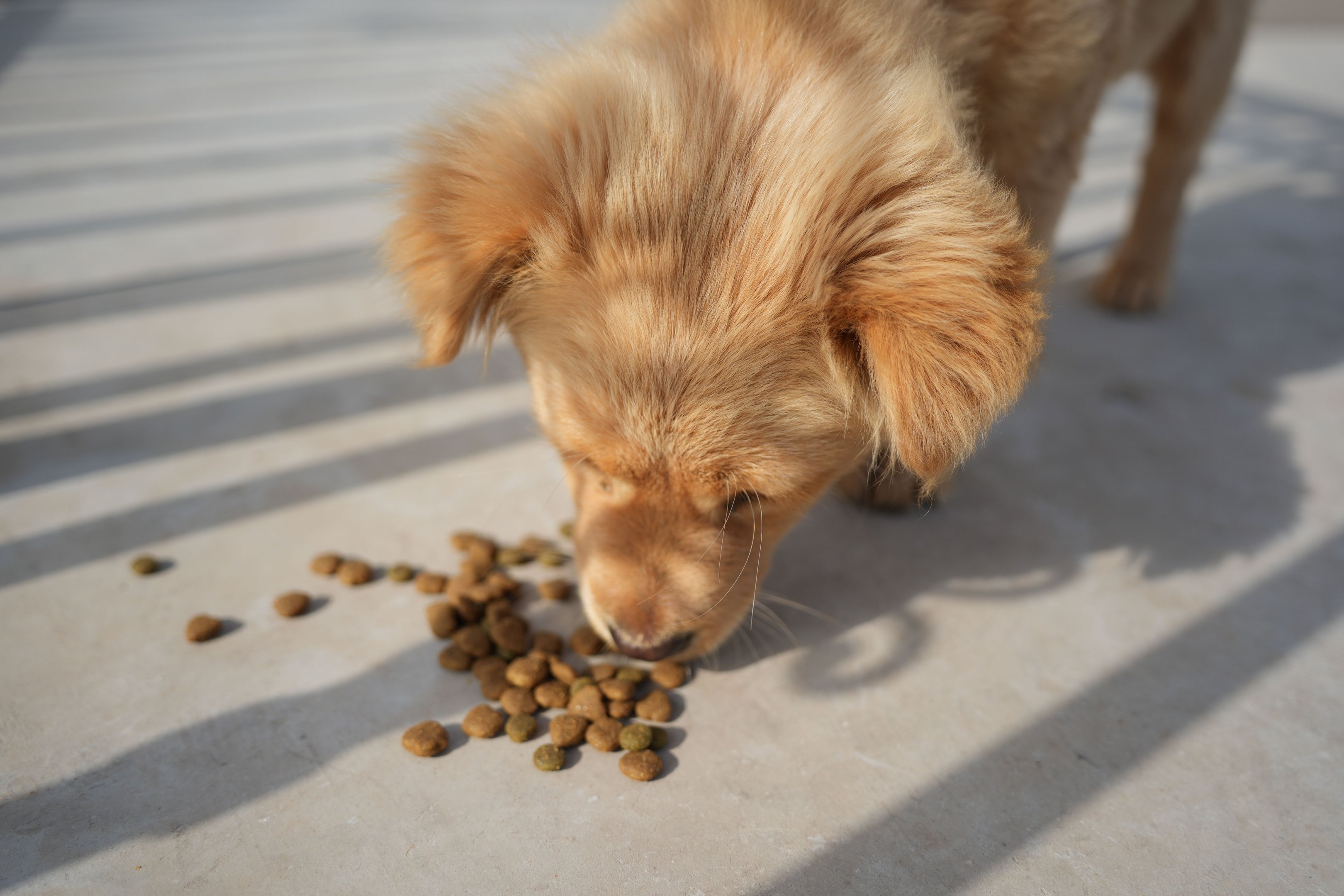
Farmer’s Dog Copycat Recipe: Homemade Fresh Dog Food
If you want to give your dog fresh, homemade food, a Farmer’s Dog copycat recipe may be exactly what you are looking for.
Fresh dog food has become popular among pet parents who want to understand what goes into their dogs’ meals and explore alternatives to conventional dry kibble.
The Farmer’s Dog is known for fresh, gently cooked dog food made with ingredients such as meat and vegetables. Although you cannot automatically reproduce its proprietary recipes at home, you can prepare a simple fresh-food-inspired meal using dog-safe ingredients.
In this guide, we will explain how to make a homemade fresh dog food topper, which ingredients to choose, how to cook and store the food, and what you should know before feeding homemade meals regularly.
Important: The recipe below is intended as an occasional topper for a healthy adult dog, not as a complete and balanced daily diet.
Dogs need specific amounts of protein, fat, vitamins, minerals, and essential fatty acids. Consult a veterinary nutrition professional before replacing your dog’s regular food with a homemade diet.
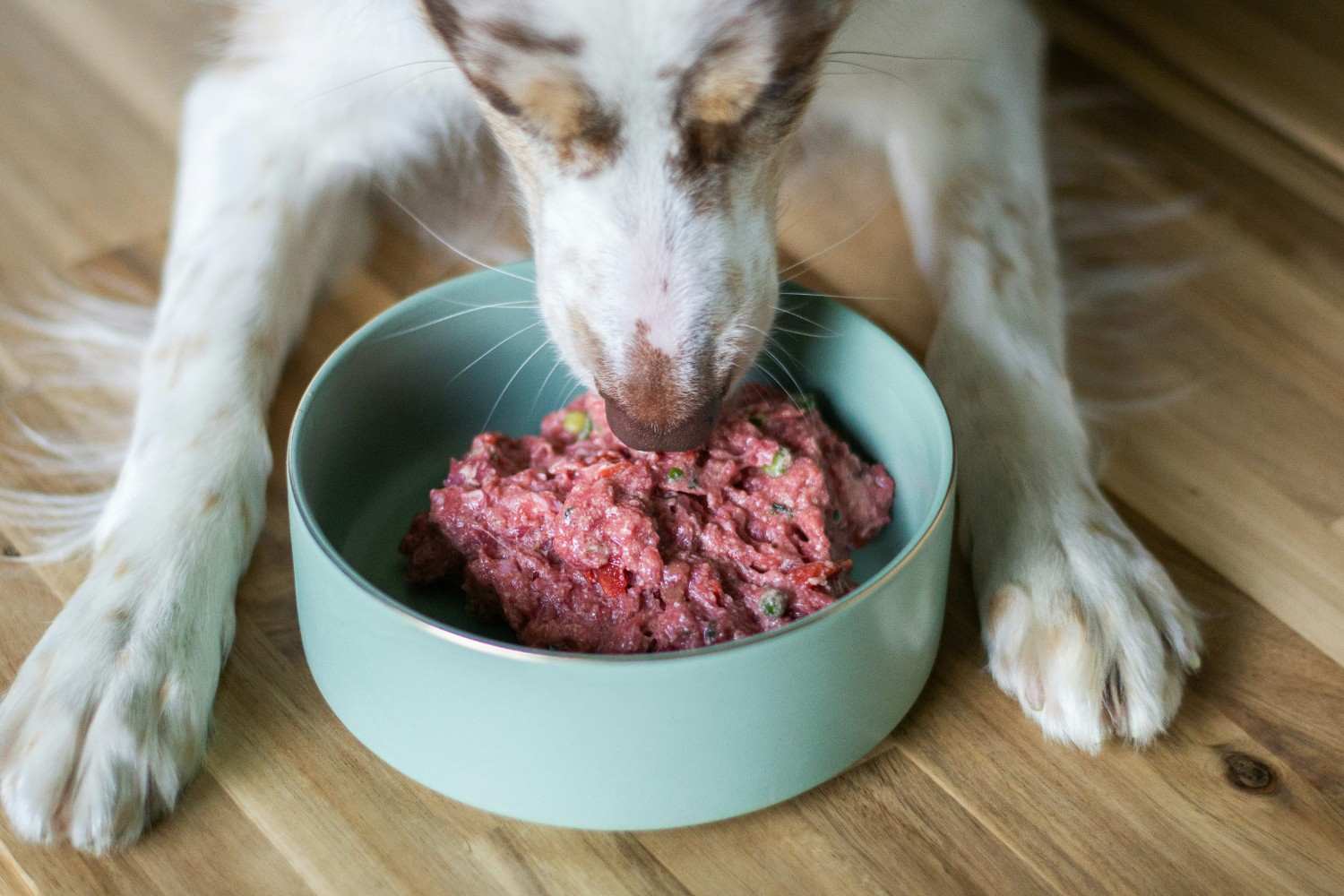
What Is a Farmer’s Dog Copycat Recipe?
A Farmer’s Dog copycat recipe is a homemade dog food recipe inspired by the fresh-food approach associated with The Farmer’s Dog. It generally uses recognizable ingredients, such as cooked meat and vegetables, instead of relying exclusively on highly processed dry food.
Pet parents often search for these recipes because they want to:
-
Prepare fresh food at home.
-
Understand the ingredients in their dogs’ meals.
-
Explore alternatives to subscription-based fresh dog food.
-
Add variety to their dog’s usual meals.
-
Learn how to cook dog-safe ingredients properly.
However, homemade food is not automatically healthier or more nutritious than commercial dog food. Its nutritional value depends on the ingredients, preparation method, portion size, and overall balance of the diet.
If you are looking for a budget-friendly way to introduce fresh food, a small homemade topper can be a practical starting point.
Easy Farmer’s Dog Copycat Recipe
This simple recipe combines lean ground turkey, brown rice, carrots, and green beans. It is designed as a small addition to a healthy adult dog’s otherwise complete and balanced diet.
Ingredients
For one small batch, gather the following:
-
1/2 pound (about 225 g) lean ground turkey
-
1/2 cup cooked brown rice
-
1/2 cup finely chopped carrots
-
1/2 cup chopped green beans
-
Water as needed for cooking
Choose plain ingredients without added salt, seasoning, sauces, butter, or oil.
Ingredient note: These quantities describe a simple topper recipe, not the nutritional proportions needed for a complete dog food. Do not use this ingredient list as your dog’s sole diet.
Why These Ingredients?
Lean ground turkey: Turkey provides protein and other nutrients. Cooking it thoroughly and serving it plain helps avoid unnecessary seasonings and excess fat.
Brown rice: Cooked rice provides carbohydrates and energy. It should be soft enough for your dog to chew comfortably.
Carrots: Carrots provide fiber and beta-carotene. Chop them into small pieces and cook until soft.
Green beans: Plain green beans provide fiber and texture. Fresh or frozen varieties can be used, provided they contain no added sauces or seasonings.
Water: Water helps cook the ingredients and keeps the finished mixture moist.
Remember that no single ingredient makes a recipe nutritionally complete. Dogs need a balanced combination of nutrients in appropriate amounts.
How to Make a Farmer’s Dog Copycat Recipe at Home
Follow these steps to prepare your homemade fresh-food topper safely.
Step 1: Prepare the Ingredients
Wash the carrots and green beans thoroughly. Remove any unsuitable stems or tough pieces, then chop the vegetables into small pieces.
Measure the rice and other ingredients before cooking. Keep raw turkey separate from ready-to-eat foods, and wash your hands and kitchen surfaces after handling it.
Step 2: Cook the Turkey
Place the ground turkey in a pan and cook it thoroughly, breaking it into small pieces as it cooks.
Do not add onion, garlic, spicy seasoning, or salty sauces. Avoid leaving pink or raw portions in the meat. Ground turkey should reach an internal temperature of 165°F (74°C), measured with a food thermometer.
If the meat releases a large amount of fat, drain the excess after cooking.
Step 3: Cook the Vegetables
Steam or boil the chopped carrots and green beans until they are soft enough to mash easily with a fork.
Do not add butter, salt, or seasoning. Allow the vegetables to cool slightly before mixing them with the meat.
Step 4: Prepare the Rice
Cook the brown rice according to the package instructions. Make sure it is soft and fully cooked.
If you are using leftover rice, it should have been cooled and refrigerated promptly after cooking. Discard rice that has been left at room temperature for too long.
Step 5: Combine the Ingredients
Place the cooked turkey, rice, carrots, and green beans in a clean bowl.
Mix them thoroughly so that the ingredients are evenly distributed. Add a little water if you want a softer texture.
Let the mixture cool to a safe serving temperature before giving any to your dog. Never serve food that is hot enough to burn your dog’s mouth.
Step 6: Serve a Small Portion
Start with a small amount mixed into your dog’s regular, complete and balanced food.
Introduce new foods gradually and watch for digestive changes, including vomiting, diarrhea, or reduced appetite. Stop feeding the new food and contact your veterinarian if symptoms occur or persist.
This recipe should remain an occasional topper rather than a replacement for your dog’s regular balanced diet.
How Much Homemade Dog Food Should You Feed?
The correct amount depends on your dog’s size, age, activity level, body condition, health, and existing diet. There is no single serving size that is appropriate for every dog.
For most healthy adult dogs, treats and extras that are not complete and balanced should generally make up no more than 10% of daily calories. The remaining calories should come from a nutritionally complete diet.
Because homemade mixtures vary in calorie content, do not estimate a safe portion based only on cups or spoonfuls. Ask your veterinarian how much of this topper is appropriate for your dog.
Puppies, pregnant or nursing dogs, and dogs with medical conditions have different nutritional requirements. Consult a veterinarian before introducing homemade food to these dogs.
Can You Make a Chicken Farmer’s Dog Copycat Recipe?
Yes. Plain, cooked chicken can be used in a fresh-food-inspired topper if your dog tolerates it.
Use boneless, skinless chicken and cook it thoroughly. Remove all bones, including cooked bones, which can splinter and cause serious injuries. Shred the chicken into small pieces and combine it with plain, cooked vegetables or rice if appropriate.
Avoid seasoning the chicken with onion, garlic, excessive salt, butter, or sauces.
Chicken alone does not provide all the nutrients a dog needs. A chicken-based homemade diet must be professionally formulated if it is intended to replace regular food.
Can You Use Beef Instead of Turkey?
Lean beef is another possible protein choice for an occasional topper. Cook ground beef thoroughly and drain excess fat before mixing it with plain, cooked vegetables.
Choose lean cuts or lean ground beef if excess dietary fat is a concern. Fatty meals may upset some dogs’ stomachs, and high-fat foods can be particularly unsuitable for dogs with certain health conditions, including a history of pancreatitis.
As with turkey and chicken, beef should not be treated as a complete diet by itself.
Is Homemade Fresh Dog Food Healthier Than Kibble?
Not necessarily. Both homemade food and commercial dog food can be appropriate, depending on their nutritional quality and suitability for the individual dog care.
A complete and balanced commercial food offers the advantage of being formulated to meet established nutritional standards for a particular life stage. Some fresh commercial diets are also formulated to meet these requirements.
Homemade food offers control over ingredient selection, but it also requires careful formulation. Meat, rice, and vegetables alone do not reliably provide every essential nutrient in the correct amounts.
For example, a homemade diet may lack appropriate levels of calcium, certain vitamins, trace minerals, or essential fatty acids. Nutritional imbalances can develop over time even if a dog initially appears healthy.
If you want to feed fresh food as your dog’s main diet, ask a board-certified veterinary nutritionist or another appropriately qualified veterinary nutrition professional to formulate a recipe for your dog.
How to Store Homemade Dog Food
Proper storage helps reduce the risk of foodborne illness.
Refrigeration
Transfer the cooked mixture into a clean, shallow, airtight container. Refrigerate it promptly at 40°F (4°C) or below.
As a conservative household guideline, use refrigerated leftovers within three to four days, unless your veterinarian or a food-safety authority recommends a shorter period for your circumstances.
Discard food that smells unusual, has visible mold, or may have been contaminated. Do not taste questionable dog food to check whether it is safe.
Freezing
If you prepare more food than you can use promptly, divide it into small portions and freeze them in suitable airtight containers.
Label each container with the preparation date. Thaw frozen portions in the refrigerator rather than leaving them on the counter, and use thawed food promptly.
Avoid repeatedly warming and cooling the same batch.
Serving
Serve only the amount your dog is expected to eat. Remove leftover moist food from the bowl after mealtime instead of leaving it out for extended periods.
Wash food bowls, utensils, and preparation surfaces regularly.
Ingredients You Should Never Add
When preparing homemade food for dogs, keep the recipe plain and avoid ingredients that may be toxic or unsafe.
Never add:
-
Onions, garlic, leeks, or chives: These allium vegetables can damage dogs’ red blood cells.
-
Grapes or raisins: These can cause serious kidney injury in dogs.
-
Chocolate or cocoa: These contain substances that are toxic to dogs.
-
Xylitol: This sweetener can cause dangerous low blood sugar and liver injury.
-
Macadamia nuts: These can cause illness in dogs.
-
Cooked bones: They may splinter and injure the digestive tract.
-
Excess salt, rich sauces, or spicy seasonings: These are unnecessary and may cause digestive problems or other health risks.
Also avoid adding supplements, calcium powders, or multivitamins without professional guidance. The wrong supplement or dose can create additional nutritional problems.
If your dog eats a potentially toxic ingredient, contact a veterinarian or animal poison-control service promptly.
Common Mistakes When Making Homemade Dog Food
1. Feeding Only Meat and Vegetables
Meat and vegetables may look wholesome, but they do not automatically provide a complete nutrient profile. A long-term diet needs carefully calculated nutrient levels.
2. Replacing All Regular Food Too Quickly
A sudden dietary change can cause digestive upset. Introduce new foods gradually, and do not make a complete diet change without ensuring the new diet is nutritionally appropriate.
3. Ignoring Portion Sizes
Even nutritious ingredients contain calories. Large amounts of toppers and treats can contribute to unwanted weight gain and reduce the nutritional balance of the regular diet.
4. Adding Seasonings
Dogs do not need salty sauces or heavily seasoned meat. Keep homemade recipes simple, and avoid ingredients that may be toxic.
5. Assuming Every Dog Has the Same Needs
A growing puppy has different nutritional requirements from a healthy adult dog. Senior dogs and dogs with kidney disease, allergies, pancreatitis, or other medical conditions may need individualized diets.
When in doubt, speak with your veterinarian before changing your dog’s food.
Frequently Asked Questions
Is a Farmer’s Dog copycat recipe safe for dogs?
A recipe made with plain, thoroughly cooked, dog-safe ingredients can be suitable as an occasional topper for many healthy adult dogs. However, safety depends on the ingredients, preparation, portion size, and individual dog. This simple recipe is not formulated to serve as a complete daily diet.
Can I feed my dog homemade food every day?
You can feed homemade food as a main diet if the recipe is appropriately formulated to meet your dog’s nutritional requirements. A mixture of meat, rice, and vegetables is not sufficient by itself. Work with a qualified veterinary nutrition professional to create a balanced recipe.
Can I use frozen vegetables?
Yes. Plain frozen carrots or green beans can be convenient options. Choose products without added salt, sauces, butter, or seasonings, and cook them until soft.
Can I use white rice instead of brown rice?
Plain, fully cooked white rice can be used in an occasional topper if your dog tolerates it. It differs nutritionally from brown rice, and neither type makes a homemade recipe complete and balanced.
Is this recipe suitable for puppies?
This recipe is not suitable as a puppy’s complete diet. Puppies need carefully balanced nutrition to support growth and development. Consult your veterinarian before adding homemade foods to a puppy’s meals.
Can dogs with food allergies eat this recipe?
Not necessarily. A dog may be allergic or intolerant to turkey or another ingredient. Dogs on elimination diets should receive only foods approved by their veterinarian, because even small additions can interfere with the evaluation.
Can I prepare a large batch for the whole week?
You can prepare a batch and freeze individual portions, but refrigerated leftovers should be used within a conservative food-safety window. Freeze portions you will not use promptly and thaw them safely in the refrigerator.
Is this an exact copy of The Farmer’s Dog food?
No. This is a homemade fresh-food-inspired recipe, not an exact reproduction of The Farmer’s Dog’s commercial formulations. Commercial recipes may include carefully calculated nutrient levels and supplements that are not replicated by this simple topper.
What is the best protein for homemade dog food?
There is no single best protein for every dog. Turkey, chicken, and beef can all be options when properly prepared, but suitability depends on allergies, medical needs, fat tolerance, and the nutritional formulation of the overall diet.
Final Thoughts
A Farmer’s Dog copycat recipe can be a useful starting point for pet parents who want to explore homemade fresh-food toppers. This turkey, rice, carrot, and green bean mixture uses straightforward ingredients and simple cooking methods.
The most important part of feeding your dog is not whether the food is homemade or commercially prepared. It is whether the diet is safe, appropriate for your dog, and nutritionally complete when used as the main food.
Use this recipe as an occasional addition to a balanced adult dog diet, introduce it carefully, and seek professional guidance before switching to homemade meals full-time.
At Outdoordogs, our goal is to help pet parents make informed decisions about feeding, health, and everyday dog care. Always consult your veterinarian when your dog has special nutritional needs or when you are considering a major diet change.
SHARE
0 comment
Be the first to comment