Spoil Your Best Friend! Shop Our Dog Favorites Today →

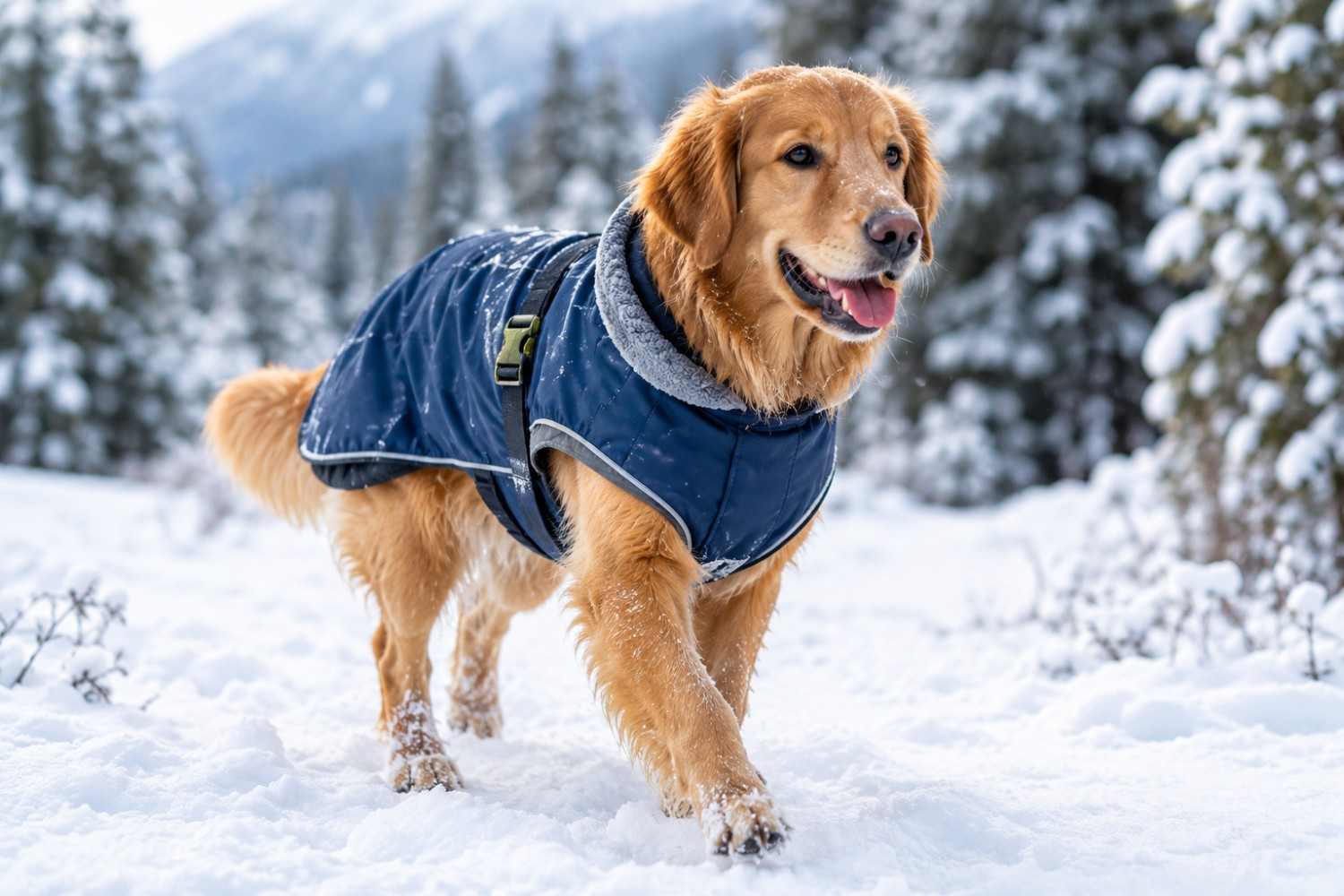
Best Winter Coats for Dogs: How to Choose the Right Warm, Waterproof
When winter arrives, cold temperatures, icy winds, snow, and freezing rain can make daily walks uncomfortable for some dogs. While certain breeds have thick coats that provide natural insulation, others need an extra layer of protection to stay warm during outdoor adventures.
Choosing the best winter coats for dogs involves more than finding a cute design. The right dog winter coat should provide appropriate insulation, protect against wind and moisture, fit comfortably, and allow your dog to walk, run, and play naturally.
Short-haired dogs, small breeds, lean dogs, puppies, and senior dogs may benefit particularly from winter clothing. However, not every dog needs a heavy jacket. Your dog's natural coat, health, activity level, and local weather conditions should guide your decision. The American Kennel Club also recommends considering your dog's individual needs rather than assuming every breed requires the same protection.
In this guide from TheOutdor, you'll learn about the best types of winter coats for dogs, what features to look for, which dogs benefit most from extra warmth, and how to choose the right jacket for cold, wet, and snowy weather.
Quick Answer: What Are the Best Winter Coats for Dogs?
The best winter coat depends on your dog's size, coat type, body shape, and the conditions in which you walk.
Here are the main options to consider:
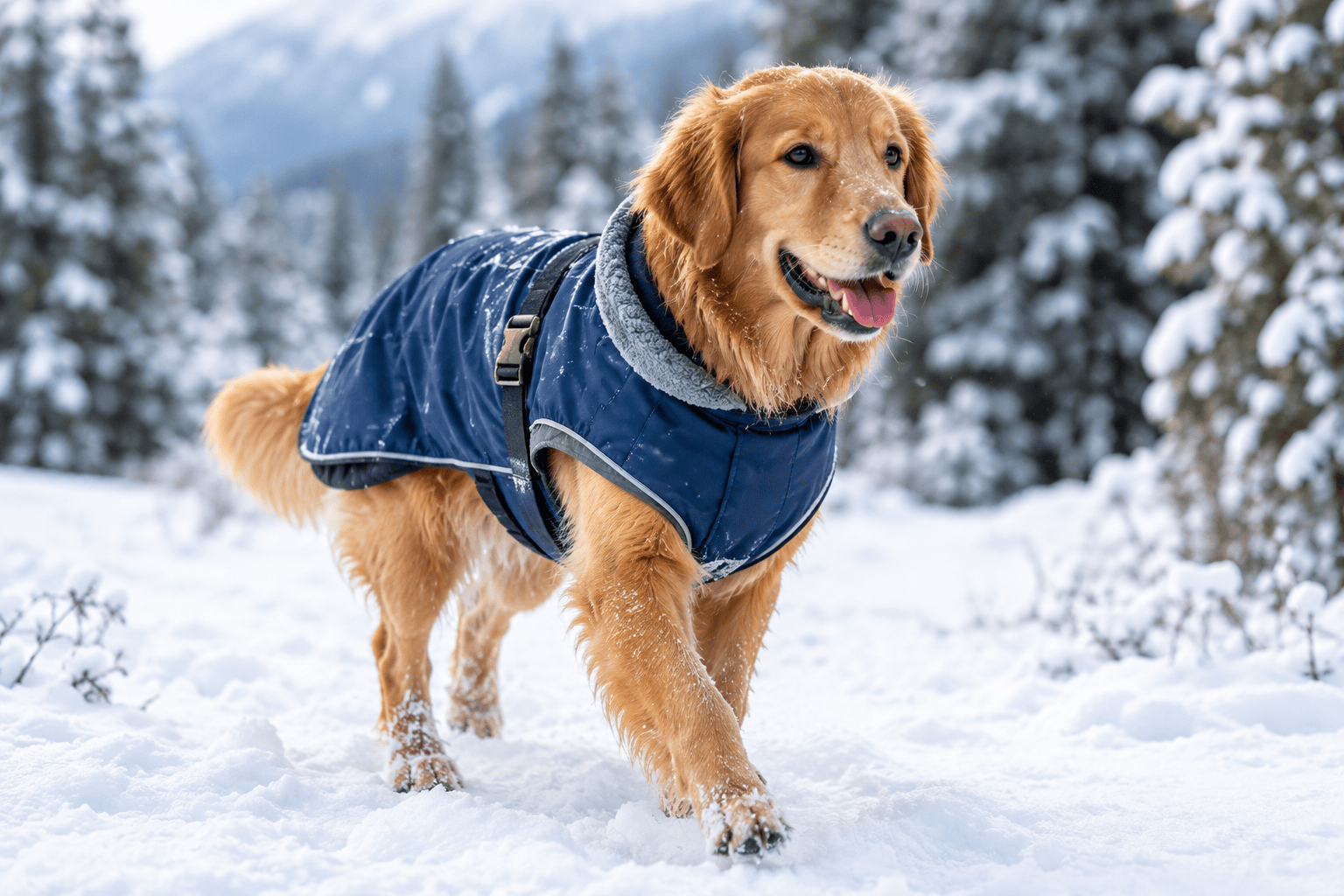
| Type of dog winter coat | Best for | Main benefit |
|---|---|---|
| Insulated winter parka | Cold temperatures and snow | Helps retain body heat |
| Waterproof dog coat | Rain, sleet, and wet snow | Helps keep the coat dry |
| Fleece-lined jacket | Cool, dry winter days | Adds a soft layer of warmth |
| Lightweight windproof coat | Breezy walks and mild winters | Reduces exposure to cold wind |
| Full-coverage winter suit | Dogs that need additional body coverage | Protects more of the body from cold |
| Reflective winter jacket | Early-morning and evening walks | Improves visibility in low light |
| Lightweight puffer coat | Small dogs and short-haired breeds | Adds insulation without necessarily being bulky |
For many dogs living in cold, wet climates, a well-fitted insulated coat with a weather-resistant outer layer is a practical starting point. For milder winters, a lightweight fleece or windproof jacket may be sufficient.
Remember that no single coat is best for every dog. A jacket that works well for a Chihuahua may fit a deep-chested Whippet poorly, even if both dogs have similar body weights.
1. Why Do Some Dogs Need Winter Coats?
Dogs have different levels of natural protection against cold weather. Some have dense double coats designed to retain heat, while others have short, thin fur that offers less insulation.
A winter coat can provide an additional layer of warmth and protection for dogs that are sensitive to cold.
Short-Haired Dogs
Dogs with short or thin coats often lose body heat more readily than dogs with dense undercoats.
Breeds that may benefit from a winter jacket include:
-
Greyhounds
-
Whippets
-
Chihuahuas
-
Doberman Pinschers
-
Boxers
-
Italian Greyhounds
-
French Bulldogs
These dogs vary in their tolerance for cold, but their body structure or coat type may leave them less protected during chilly outdoor walks.
Small Dog Breeds
Small dogs may cool down more quickly than larger dogs because their bodies have a relatively high surface-area-to-volume ratio.
Chihuahuas, Yorkshire Terriers, Miniature Pinschers, and other small breeds may appreciate a warm jacket during cold weather.
A lightweight, insulated coat can be especially useful for short-legged dogs whose bellies are closer to snow-covered ground.
Puppies and Senior Dogs
Puppies may have more difficulty regulating their body temperature, depending on their age, size, coat, and environment. Senior dogs may also be more sensitive to cold, particularly if they have reduced mobility or underlying health conditions.
A warm coat can help these dogs remain comfortable during outdoor bathroom breaks and short walks.
Dogs With Health or Mobility Concerns
Dogs that are underweight, recovering from illness, have certain medical conditions, or experience joint discomfort may need additional consideration in cold weather.
A winter coat can improve comfort for some dogs, but it does not treat an underlying health problem. If your dog suddenly begins shivering, refuses to walk, or appears unusually sensitive to cold, consult your veterinarian rather than relying on clothing alone.
Do All Dogs Need Winter Coats?
No. Dogs such as Siberian Huskies, Alaskan Malamutes, and Samoyeds have dense double coats that provide substantial natural insulation.
Healthy, active dogs with thick coats may not need an insulated jacket during ordinary winter walks. However, a lightweight waterproof shell may still be useful in wet conditions.
The American Kennel Club emphasizes that coat choice should reflect the individual dog's physical characteristics, health, and environment. <Cite refs={["turn830135search4","turn830135search5"]}/>
2. Best Types of Winter Coats for Dogs
Before choosing a specific product, understand the differences between the main types of dog winter coats. Each serves a slightly different purpose.
Insulated Winter Parka
An insulated dog parka is designed to retain warmth during cold-weather activities.
These coats typically combine an outer shell with an insulating layer made from synthetic fill or another insulating material. Some include additional coverage around the chest and belly.
Best for: Short-haired dogs, small breeds, lean dogs, and cold winter walks.
Look for adjustable closures, a comfortable lining, and enough room for natural movement. If your area experiences freezing rain or wet snow, choose a parka with suitable waterproof or highly water-resistant construction.
A heavy parka is not automatically the warmest or most comfortable option for every dog. Match the insulation to the conditions and your dog's needs.
Waterproof Winter Dog Coat
A waterproof dog coat helps protect your pet from rain, sleet, and wet snow.
This type of jacket is especially useful when winter weather frequently changes between rain, wind, and freezing temperatures.
Look for:
-
A waterproof or well-documented weatherproof outer layer.
-
Secure closures that prevent excessive gaps.
-
Adequate chest and belly coverage.
-
A lining that does not become uncomfortable when damp.
-
A design that allows moisture to escape where possible.
Water-resistant fabrics may handle light rain but can allow water through during prolonged exposure. If you regularly walk in heavy rain or wet snow, verify the manufacturer's waterproofing claims.
Best for: Dogs that walk in wet climates or frequently explore muddy outdoor trails.
Fleece-Lined Dog Jacket
Fleece-lined jackets provide a soft layer that helps retain warmth.
They are often comfortable, relatively lightweight, and easy to put on. Some designs are suitable for indoor use in chilly homes, while others are intended for short outdoor walks.
However, fleece alone is not necessarily waterproof. If your dog walks through rain or wet snow, a water-resistant outer shell may be a better option.
Best for: Small dogs, short-haired breeds, and dogs that need extra warmth during cool, dry weather.
Lightweight Windproof Dog Coat
Wind can make cold conditions feel more uncomfortable, particularly for dogs with thin coats.
A lightweight windproof jacket reduces exposure to moving air without adding the bulk of a heavily insulated parka.
These coats are useful during breezy autumn days and mild winter weather. Some have a thin lining, while others are designed mainly as protective outer shells.
Best for: Active dogs that need modest protection from wind and cool temperatures.
Full-Coverage Dog Winter Suit
A full-coverage winter suit protects more of a dog's body than a conventional jacket.
Depending on the design, it may cover the torso, chest, and parts of the legs. Some suits are intended for snow, while others provide a protective layer for dogs with very short or sparse fur.
Full-coverage clothing can be helpful for dogs that are particularly sensitive to cold. However, it must fit carefully around the legs, shoulders, tail, and bathroom areas.
Best for: Dogs that need more extensive coverage in cold weather.
Reflective Winter Dog Jacket
Winter often brings shorter daylight hours, making early-morning and evening walks harder for drivers and cyclists to see.
A reflective winter jacket includes reflective trim or panels that can improve your dog's visibility when illuminated by headlights.
Reflective details do not replace a leash, a secure harness, or a light when conditions are particularly dark. They are an additional safety feature worth considering.
Best for: Dogs that regularly walk outdoors in low-light conditions.
3. What to Look for When Buying the Best Winter Coat for Your Dog
A good dog winter coat should combine warmth, comfort, suitable weather protection, and a secure fit.
Here are the most important features to evaluate before buying.
Insulation and Warmth
Consider how cold it gets in your area and how long your dog spends outdoors.
For short walks in mild winter weather, a lightweight fleece-lined jacket may be sufficient. For colder conditions, an insulated parka may provide more appropriate protection.
Synthetic insulation is commonly used in dog coats because it can provide warmth without excessive bulk. The actual warmth depends on the material, thickness, construction, and how well the coat fits.
Do not assume that the thickest coat is always the best. An overly warm jacket can make an active dog uncomfortable or contribute to overheating.
Waterproofing and Wind Protection
If you live in an area with frequent rain, wet snow, or strong winds, weather protection should be a priority.
Check the product description carefully. Terms such as water-resistant, water-repellent, and waterproof do not necessarily mean the same thing.
A water-resistant coat may be suitable for light drizzle, whereas a properly waterproof design is more appropriate for sustained wet conditions.
Sealed seams, storm flaps, and secure closures may also help reduce water entering the jacket.
Chest and Belly Coverage
A coat that covers only the back may provide less protection than a design that also covers part of the chest and belly.
This is particularly relevant for short-legged dogs that walk through snow or brush against wet ground.
However, coverage must not interfere with movement or prevent your dog from urinating and defecating comfortably.
Adjustable Straps and Closures
Adjustable straps around the chest or belly can help keep the jacket in place.
Look for closures that are easy to fasten and do not pinch skin or trap long fur. Buckles, hook-and-loop fasteners, and zippers can all work well when properly designed.
A good coat should remain secure without squeezing the body or restricting normal breathing.
Harness Compatibility
If your dog wears a harness on walks, check how the coat works with it.
Some jackets have a leash opening for attaching a harness underneath. Others are designed to be worn over a harness or may require the harness to sit on top.
Choose a setup that allows the leash to connect securely without pulling the coat out of position.
Reflective Details
Reflective trim can help make a dog more visible in low-light conditions.
If you regularly walk near roads or on poorly lit trails, consider reflective panels, a reflective leash, or a suitable clip-on light.
Ease of Cleaning
Dog coats can collect mud, loose fur, road salt, and moisture.
Check the care label before buying. Machine-washable designs can make regular cleaning easier, but some insulated coats require specific washing instructions.
Always allow a wet coat to dry fully before storing it. Regular cleaning helps remove dirt and debris that could otherwise contribute to skin irritation.
The American Kennel Club recommends paying attention to fit, visibility, leash access, and care requirements when choosing a dog jacket. <Cite refs={["turn830135search4","turn830135search0"]}/>
4. Best Winter Coats for Different Dog Breeds
Different breeds have different body shapes and levels of natural insulation. The best winter coat for your dog should match those characteristics.
| Dog breed or type | Coat type to consider | Why it may help |
|---|---|---|
| Chihuahua | Insulated, adjustable jacket | Adds warmth for a small, short-coated dog |
| Greyhound | Fitted insulated coat | Provides warmth for a lean, short-haired body |
| Whippet | Lightweight or insulated coat with a tailored fit | Accommodates a deep chest and narrow waist |
| Dachshund | Coat with suitable belly coverage | Helps protect a low-slung body from cold ground |
| French Bulldog | Lightweight, carefully fitted jacket | Adds warmth without compromising comfortable breathing |
| Labrador Retriever | Lightweight weatherproof shell when needed | Helps keep the outer coat dry in wet conditions |
| Siberian Husky | Usually no heavy insulation needed for ordinary cold-weather activity | Dense double coat provides substantial natural insulation |
| Senior mixed-breed dog | Warm, easy-to-wear jacket | Can add comfort for dogs that are sensitive to cold |
These are starting points rather than strict rules. Individual dogs may need different levels of protection depending on their coat, health, body condition, and local weather.
Best Winter Coat for Small Dogs
Small dogs often benefit from lightweight insulation that does not interfere with movement.
Choose a jacket that fits around the chest and torso without dragging on the ground. Adjustable closures can help you achieve a secure fit, especially if your dog has a narrow waist.
Best Winter Coat for Short-Haired Dogs
Short-haired dogs may benefit from a warm lining and a wind-resistant outer layer.
For wet winters, choose a coat that combines insulation with effective water protection. A thin fleece jacket may be comfortable in dry conditions but may not be enough for long walks in cold rain.
Best Winter Coat for Large Dogs
Large dogs do not automatically need less protection than small dogs.
A large, short-haired dog may be more sensitive to cold than a smaller dog with a dense double coat. Choose a coat based on body structure and individual tolerance rather than size alone.
Best Winter Coat for Senior Dogs
Older dogs may have difficulty tolerating cold, particularly if they experience arthritis or reduced mobility.
Look for a coat that is easy to put on and remove without requiring your dog to lift its legs excessively. Soft lining, simple closures, and sufficient room around the shoulders can make dressing more comfortable.
If your senior dog has new mobility problems or unusual cold sensitivity, seek veterinary advice.
5. How to Choose the Right Size Winter Coat for Your Dog
Even a high-quality winter coat may fail to keep your dog comfortable if it does not fit correctly. A coat that is too tight can restrict movement, while a loose jacket may shift, expose the body, or rub against the skin.
Before ordering a dog winter jacket online, take three basic measurements.
<AsyncImageGroup query={["measuring dog back length with soft tape measure from neck to tail base","measuring dog's chest girth with measuring tape behind front legs","measuring dog's neck circumference for dog coat sizing"]} aspectRatio="5:4" layout="bento" size="lg"/>
Step 1: Measure Back Length
Have your dog stand naturally. Measure from the base of the neck, where the neck meets the shoulders, to the base of the tail.
This measurement helps determine how much of the dog's back the coat will cover.
Step 2: Measure Chest Girth
Wrap a soft measuring tape around the widest part of your dog's chest, usually just behind the front legs.
Chest girth is particularly important because a coat that is too tight around this area can restrict comfortable movement.
Step 3: Measure Neck Circumference
Measure around the base of your dog's neck, leaving enough room for comfortable movement.
Follow the manufacturer's instructions to determine whether the measurement should be taken at the base of the neck or a different position.
Step 4: Check the Brand's Size Chart
Do not choose a coat based on weight alone. Two dogs of the same weight may have very different body proportions.
Compare your measurements with the manufacturer's size chart. If your dog falls between sizes, follow the brand's guidance and consider the coat's adjustment range and design.
Step 5: Test the Fit
Once the coat arrives, let your dog wear it briefly indoors.
Check that your dog can:
-
Walk and turn naturally.
-
Sit and lie down comfortably.
-
Move both front legs without restriction.
-
Breathe normally.
-
Relieve themselves without the coat getting in the way.
Look for rubbing around the armpits, neck, and belly. The coat should remain secure without creating pressure points.
The American Kennel Club recommends measuring dogs carefully because coat sizes and fits can vary significantly between manufacturers. <Cite refs={["turn830135search4","turn830135search0"]}/>
6. Waterproof vs. Water-Resistant Dog Coats: Which Is Better?
Waterproof and water-resistant dog coats are designed for different levels of exposure to moisture.
A water-resistant coat can repel light rain or splashes, but its protection may decrease during prolonged exposure to wet weather.
A waterproof coat is designed to prevent water from passing through the outer material under its specified conditions. Its actual performance depends on the fabric, seams, closures, and overall construction.
| Feature | Water-resistant coat | Waterproof coat |
|---|---|---|
| Light drizzle | Usually suitable | Suitable |
| Short walks on damp ground | Often suitable | Suitable |
| Heavy rain | May allow moisture through | Generally a better choice |
| Wet snow | Depends on fabric and exposure | Often preferable |
| Breathability | Varies by material | Varies by material and membrane |
| Typical use | Mild, occasionally wet weather | Regular wet-weather walks |
For a dog that enjoys short walks in a relatively mild climate, a water-resistant jacket may be sufficient.
For dogs that regularly walk in heavy rain or wet snow, a waterproof outer layer is often more practical. If the weather is also very cold, look for insulation underneath that layer.
Remember that waterproofing does not automatically mean warmth. A thin waterproof shell may keep your dog dry but provide little insulation.
Likewise, a thick fleece coat may provide warmth but absorb water if it lacks suitable weather protection.
For cold, wet winters, a combination of insulation and waterproofing can offer the most useful balance.
7. How to Keep Your Dog Warm During Winter Walks
A winter coat is only one part of keeping your dog comfortable in cold weather. Your walking routine, the weather, and your dog's behavior matter just as much.
Choose Suitable Walking Times
When temperatures are particularly low, consider shorter walks during the coldest parts of the day.
On bright, calmer days, your dog may be more comfortable outside than during periods of strong wind or freezing rain.
However, there is no single temperature that is safe or unsafe for every dog. Small, thin-coated, young, old, or unwell dogs may need protection sooner than healthy adult dogs with dense coats. <Cite refs={["turn830135search4","turn830135search5"]}/>
Protect Your Dog's Paws
Winter pavement can expose dogs to ice, sharp snow, and de-icing products.
Consider properly fitted dog boots if your dog tolerates them, especially during walks on icy or heavily salted surfaces. After returning home, check the paws and gently remove any snow, ice, or road salt.
Inspect the paw pads for cracks, redness, or irritation.
Keep Your Dog Dry
If your dog gets wet in snow or rain, dry the coat and body after the walk.
Pay particular attention to the belly, paws, chest, and areas where moisture may become trapped beneath clothing.
Remove the winter jacket indoors if your dog becomes too warm or the coat becomes wet and uncomfortable.
Watch for Signs of Cold Stress
Dogs may show several signs when they are too cold, including:
-
Shivering.
-
Lifting their paws repeatedly.
-
Curling up or hunching their body.
-
Whining or seeking shelter.
-
Refusing to continue walking.
-
Becoming unusually slow or lethargic.
If your dog shows these signs, move to a warm, sheltered place and end the walk. If symptoms are severe, persist, or include weakness or confusion, contact a veterinarian promptly.
Do not rely on a winter coat to make prolonged exposure to extreme cold safe.
Avoid Overheating
Dogs can also become too warm while wearing insulated clothing, particularly when exercising actively.
Watch for excessive panting, discomfort, or attempts to remove the coat. Adjust the clothing and activity level to the conditions.
A comfortable winter walk should support your dog's well-being, not force it to tolerate unsuitable weather.
8. How to Help Your Dog Get Used to Wearing a Winter Coat
Some dogs accept a jacket immediately, while others feel uncomfortable or confused when they first wear one.
Introduce the coat gradually rather than putting it on and immediately heading outdoors.
Start with a positive introduction. Place the coat near your dog and allow it to sniff the material. Offer a treat or praise when your dog approaches it calmly.
Introduce the coat gradually. Let your dog wear it for a few seconds indoors, then remove it. Repeat the process and gradually increase the duration if your dog remains relaxed.
Check movement. Encourage your dog to walk, sit, and turn while wearing the jacket. Make sure it does not slide, pinch, or restrict the legs.
Reward calm behavior. Use praise, treats, or a favorite activity to create a positive association with wearing the coat.
Start with a short walk. Once your dog appears comfortable indoors, try a brief outdoor walk and monitor its behavior.
Never force a frightened or distressed dog to wear clothing. If your dog repeatedly resists, check the fit and design or seek advice from a qualified trainer.
9. How to Wash and Maintain a Dog Winter Coat
Regular cleaning helps keep your dog's winter jacket comfortable and in good condition.
Dirt, mud, loose fur, and moisture can accumulate on a coat after outdoor activities. These materials may contribute to unpleasant odors or skin irritation if the garment is not cleaned properly.
Follow these maintenance tips:
-
Read the care label. Check whether the coat is machine washable or requires hand washing.
-
Remove loose dirt. Brush off mud, leaves, and loose fur before washing.
-
Use a suitable detergent. Follow the manufacturer's cleaning instructions and avoid products that may leave irritating residues.
-
Inspect the closures. Check zippers, buckles, and hook-and-loop fasteners for damage.
-
Dry the coat thoroughly. Follow the care label to avoid damaging insulation or waterproofing.
-
Check the fabric regularly. Look for worn areas, loose stitching, or damaged weather-resistant layers.
If a coat is waterproof, repeated washing may affect its water-repellent finish. Follow the manufacturer's instructions for restoring that finish if necessary.
Before every winter season, inspect the jacket to ensure that it still fits correctly and provides the intended protection.
10. Common Mistakes to Avoid When Buying Dog Winter Coats
Choosing the wrong winter jacket can make outdoor walks less comfortable, even when the coat appears warm and well made.
Avoid these common mistakes.
Buying based on appearance alone. A stylish coat may lack adequate insulation or weather protection. Evaluate its materials, fit, and intended use before considering its appearance.
Choosing the wrong size. Guessing from your dog's weight can lead to a coat that slips or restricts movement. Measure your dog and consult the manufacturer's size chart.
Assuming every dog needs a thick jacket. Dogs with dense double coats may not need heavy insulation for ordinary winter activities. Overdressing an active dog can make it uncomfortable.
Ignoring waterproofing. A warm coat that becomes soaked may no longer provide the intended comfort. Match the outer material to your local weather.
Forgetting belly coverage. Some coats leave much of the chest and underside exposed. Consider whether your dog needs more coverage, especially when walking through snow.
Leaving a coat on without supervision. Clothing can snag on objects or become uncomfortable. Remove the jacket indoors when appropriate and check the fit regularly.
Ignoring signs of distress. Shivering, limping, excessive panting, and reluctance to walk should never be dismissed simply because your dog is wearing a coat.
The best winter coat is one that suits your dog's needs and allows comfortable movement, rather than one with the most insulation or the highest price.
Frequently Asked Questions About Winter Coats for Dogs
What is the best winter coat for dogs?
The best winter coat for dogs provides appropriate warmth, weather protection, and a comfortable fit. An insulated waterproof parka may suit cold, wet climates, while a lightweight fleece jacket can be sufficient for cooler, dry conditions.
Which dogs need winter coats the most?
Small dogs, short-haired breeds, lean dogs, puppies, senior dogs, and dogs with certain health conditions may benefit most from winter clothing. Individual needs vary according to health, body condition, coat type, and weather.
Should dogs wear coats in freezing weather?
Some dogs benefit from coats in freezing conditions, but clothing does not make every outdoor activity safe. Keep walks appropriate to your dog's tolerance, provide opportunities to warm up indoors, and monitor for signs of cold stress.
Are waterproof winter coats better than fleece coats?
Neither is universally better. Waterproof coats are useful for wet conditions, while fleece coats provide warmth in dry weather. For cold, wet conditions, consider a coat that combines insulation with a waterproof or highly water-resistant outer layer.
Do dogs with thick fur need winter jackets?
Healthy dogs with dense double coats often tolerate cold better than short-haired breeds. They may not need an insulated coat for ordinary winter walks, although a lightweight waterproof shell can be helpful in wet conditions.
How tight should a dog winter coat be?
A winter coat should fit securely without squeezing the chest or neck, rubbing the skin, or restricting movement. Your dog should be able to walk, sit, turn, and lie down comfortably.
How do I measure my dog for a winter coat?
Measure the back length, chest girth, and neck circumference according to the manufacturer's instructions. Compare these measurements with the brand's size chart rather than selecting a size based on weight alone.
Can dogs sleep in their winter coats?
Most dogs do not need to sleep in an outdoor winter coat indoors. Remove the jacket when appropriate, especially if the dog is resting in a warm environment or the clothing could snag. If your dog needs extra warmth indoors because of a medical condition, ask your veterinarian for advice.
How much should I spend on a winter coat for my dog?
The appropriate budget depends on your dog's needs, the local climate, and how frequently you use the coat. A simple jacket may be adequate for occasional walks in mild weather, while regular exposure to cold rain or snow may justify investing in better insulation, waterproofing, and adjustability.
Compare quality, fit, durability, and care requirements instead of assuming that the most expensive coat is automatically the best.
Final Thoughts: Choosing the Best Winter Coat for Your Dog
The best winter coats for dogs combine suitable insulation, weather protection, comfortable movement, and a secure fit.
If you have a small or short-haired dog, an insulated jacket may make cold-weather walks more comfortable. For wet climates, waterproofing is particularly important. Dogs that are sensitive to cold may benefit from additional coverage, while healthy dogs with thick double coats may need little extra insulation during ordinary outdoor activities.
Before buying, measure your dog carefully, compare the manufacturer's sizing chart, and choose a coat that suits the conditions in which you walk.
Most importantly, pay attention to your dog's behavior. A winter jacket should help your companion enjoy outdoor adventures safely, not encourage you to stay outside longer than your dog can comfortably tolerate.
At TheOutdor, we believe the best dog gear makes time outdoors safer and more enjoyable. With the right winter coat, sensible walking habits, and attention to your dog's individual needs, you can make cold-weather adventures more comfortable throughout the season.
SHARE
0 comment
Be the first to comment