Spoil Your Best Friend! Shop Our Dog Favorites Today →

Leash Training for Hiking With Dogs: A Complete Beginner’s Guide
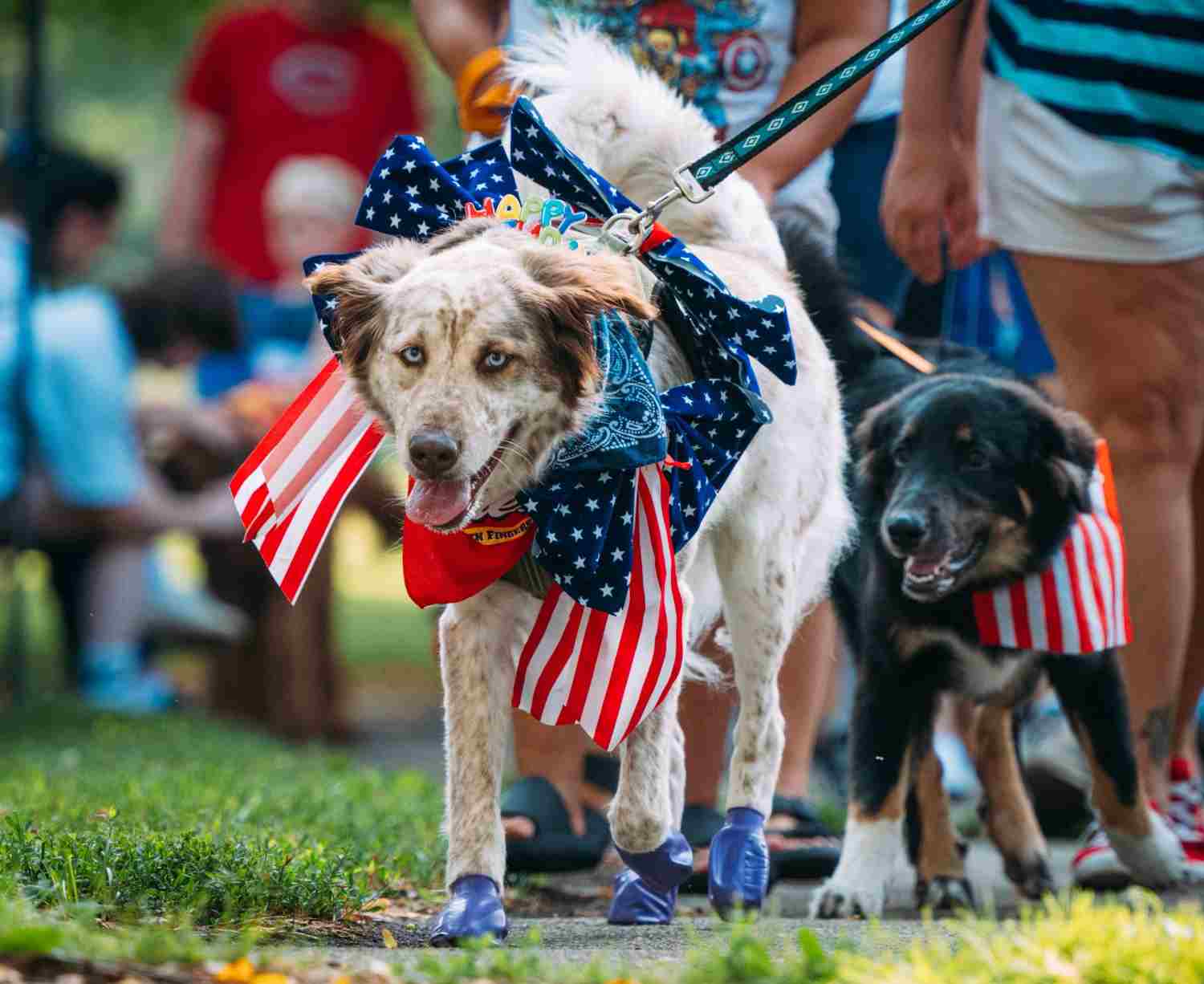
Hiking with your dog can be an exciting way to explore nature, stay active, and strengthen your bond with your four-legged companion. However, before heading to a mountain trail, forest path, or national park, you need to teach your dog how to walk safely on a leash.
Leash training for hiking with dogs is about more than preventing pulling. It teaches your dog to stay close, respond to your cues, pass other hikers calmly, and remain under control around wildlife and unfamiliar environments.
Whether you have a curious puppy, an energetic adult dog, or a companion who constantly pulls during walks, the right training approach can make hiking safer and more enjoyable for both of you.
In this guide, you'll learn how to leash-train your dog for hiking, choose the right equipment, prevent common trail problems, and prepare for your first adventure together.
Why Is Leash Training Important for Hiking With Dogs?
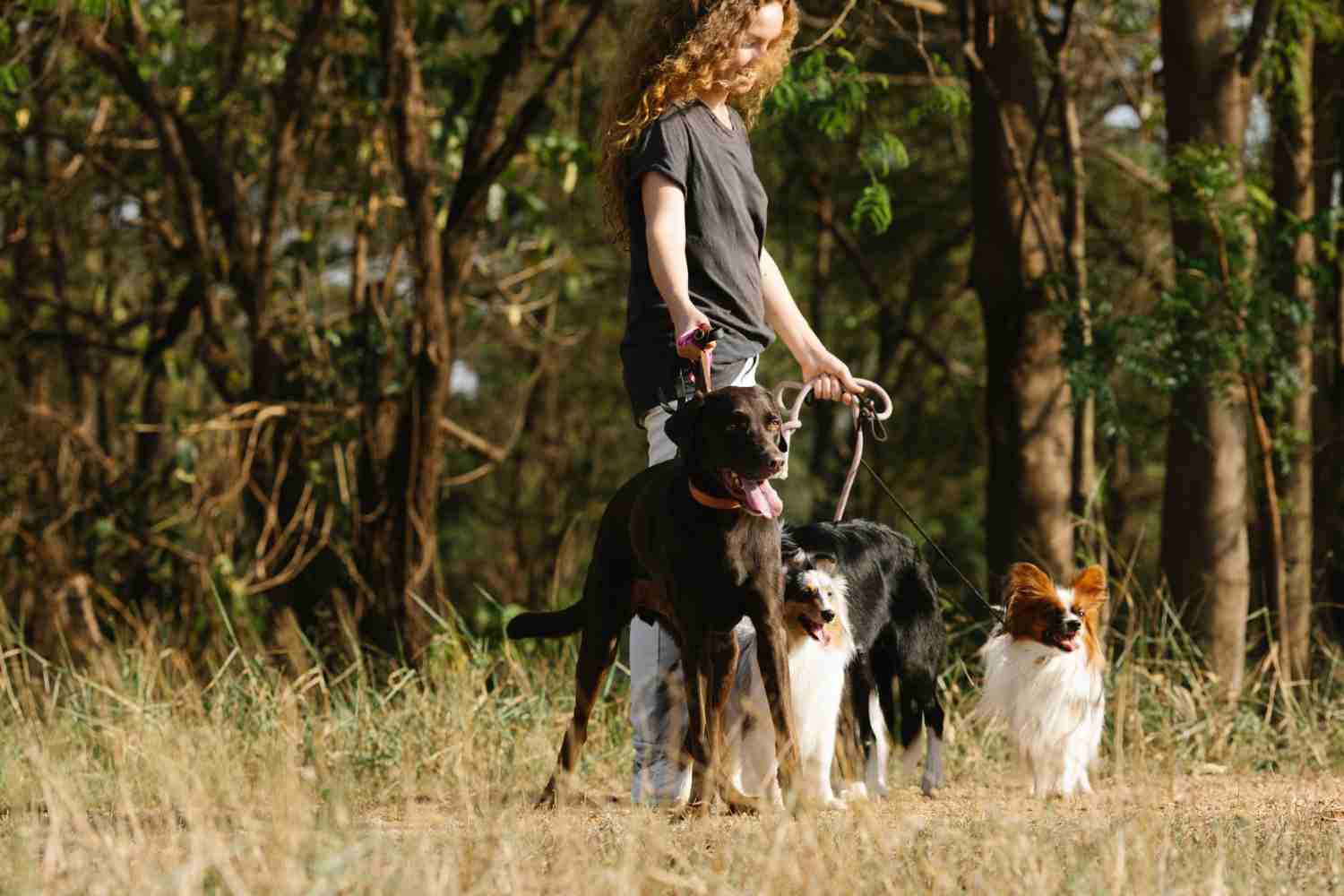
A dog that walks calmly on a leash is easier to manage when the trail becomes crowded, narrow, steep, or unpredictable.
Unlike neighborhood sidewalks, hiking trails can expose dogs to unfamiliar animals, slippery rocks, sudden drops, cyclists, horseback riders, and other environmental distractions.
Proper leash training helps you guide your dog through these situations without relying on constant pulling or physical corrections.
Here are the main benefits of leash training your dog for hiking.
1. Protects Your Dog From Trail Hazards
Dogs are naturally curious. A new scent, moving animal, or rustling bush may encourage them to leave the trail without warning.
A properly fitted harness and secure leash help you maintain control when your dog encounters something potentially dangerous.
For example, if your dog notices a squirrel near a steep slope, a reliable leash can help prevent a sudden chase.
2. Protects Wildlife and Other Hikers
Not every hiker feels comfortable around dogs. Some people may be afraid of them, while others may be hiking with children or their own pets.
Wild animals can also react unpredictably when approached by a dog. The National Park Service's guidance on hiking with pets recommends keeping dogs on a six-foot leash in national parks and checking individual park rules before visiting.
Training your dog to walk politely helps you share the trail responsibly.
3. Prevents Pulling and Leash Tangling
A dog that constantly pulls can make hiking uncomfortable and potentially dangerous.
On rocky paths, steep inclines, or narrow trails, sudden pulling may affect your balance. A long or retractable leash can also become tangled in vegetation or interfere with other trail users.
Teaching loose-leash walking gives you better control without needing to keep the leash tight.
4. Makes Hiking More Enjoyable
Your dog does not need to walk perfectly beside you throughout the entire hike. Dogs should have opportunities to sniff, explore permitted areas, and investigate interesting scents.
The goal is to teach your dog when to walk calmly beside you, when to stop, and when they can explore while remaining safely connected to you.
With consistent training, hiking becomes a shared activity rather than a constant struggle.
What Equipment Do You Need for Leash Training a Hiking Dog?
Before beginning training, prepare equipment that fits your dog's size, behavior, and hiking environment.
You do not need an expensive collection of accessories. A few well-chosen items are usually enough to get started.
1. A Comfortable, Well-Fitted Harness
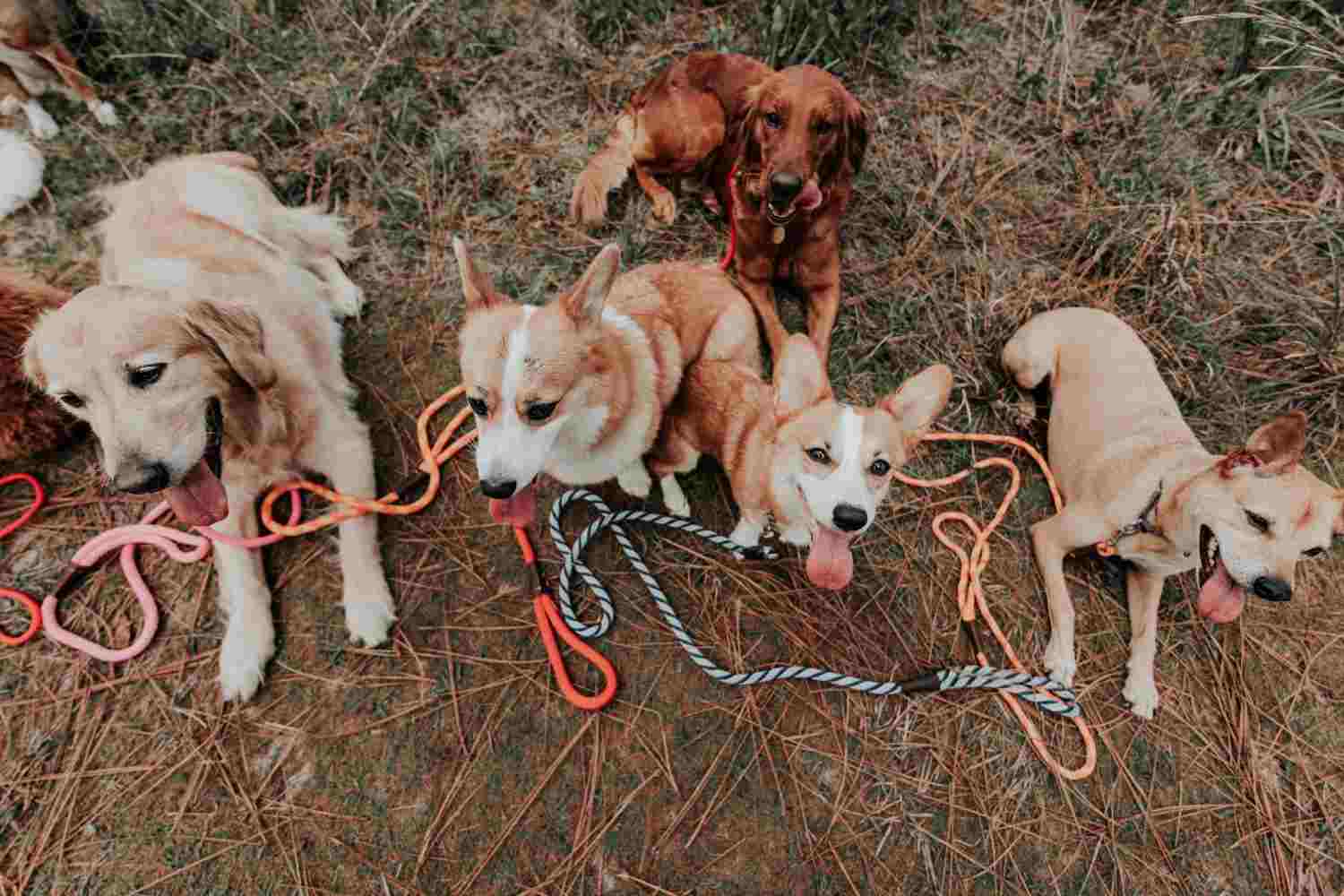
A properly fitted body harness is a practical choice for many hiking dogs, particularly those that tend to pull.
Look for a harness that:
-
Fits securely without rubbing the skin.
-
Allows comfortable shoulder and leg movement.
-
Has adjustable straps for a proper fit.
-
Includes a secure leash attachment.
-
Has a sturdy handle if you need to assist your dog over obstacles.
Check the manufacturer's fitting instructions before use. Your dog should be able to move comfortably without slipping out of the harness.
A front-clip harness may help some dogs manage pulling, while a back-clip harness may suit dogs that already walk politely. No harness replaces training.
2. A Standard Six-Foot Leash
A standard six-foot leash provides a useful balance between freedom and control.
It allows your dog to walk naturally while keeping them close enough for you to respond to unexpected situations.
Choose a leash with a comfortable handle and a secure clip. Inspect the stitching, clip, and material regularly for wear.
Avoid relying on a retractable leash on crowded, steep, or heavily wooded trails, where sudden movements and tangled lines can create problems.
3. High-Value Training Treats
Treats help you reward the behaviors you want your dog to repeat.
Choose small, easy-to-eat treats that your dog finds especially appealing. Soft treats can be useful because your dog can eat them quickly without interrupting the walk for long.
Keep treats in a secure pouch so you can reward your dog immediately.
If your dog has dietary restrictions, choose suitable treats with guidance from your veterinarian.
4. Identification and Safety Equipment
Your dog should wear identification with current contact information. A properly fitted collar and secure harness provide additional security when used appropriately.
Depending on your route and conditions, you may also need:
-
Reflective equipment for low-light conditions.
-
A dog water bottle and collapsible bowl.
-
Waste bags.
-
A canine first-aid kit.
-
Paw protection for suitable terrain and weather.
-
A backup leash.
Important: Always check the trail's rules before your visit. Some hiking trails do not permit dogs, and leash requirements vary between parks and public lands.
How to Leash Train Your Dog for Hiking: Step-by-Step Instructions
The best approach is to teach basic leash skills in a familiar, low-distraction environment before introducing your dog to busy hiking trails.
Start with short sessions and increase difficulty gradually.
Step 1: Introduce the Harness and Leash
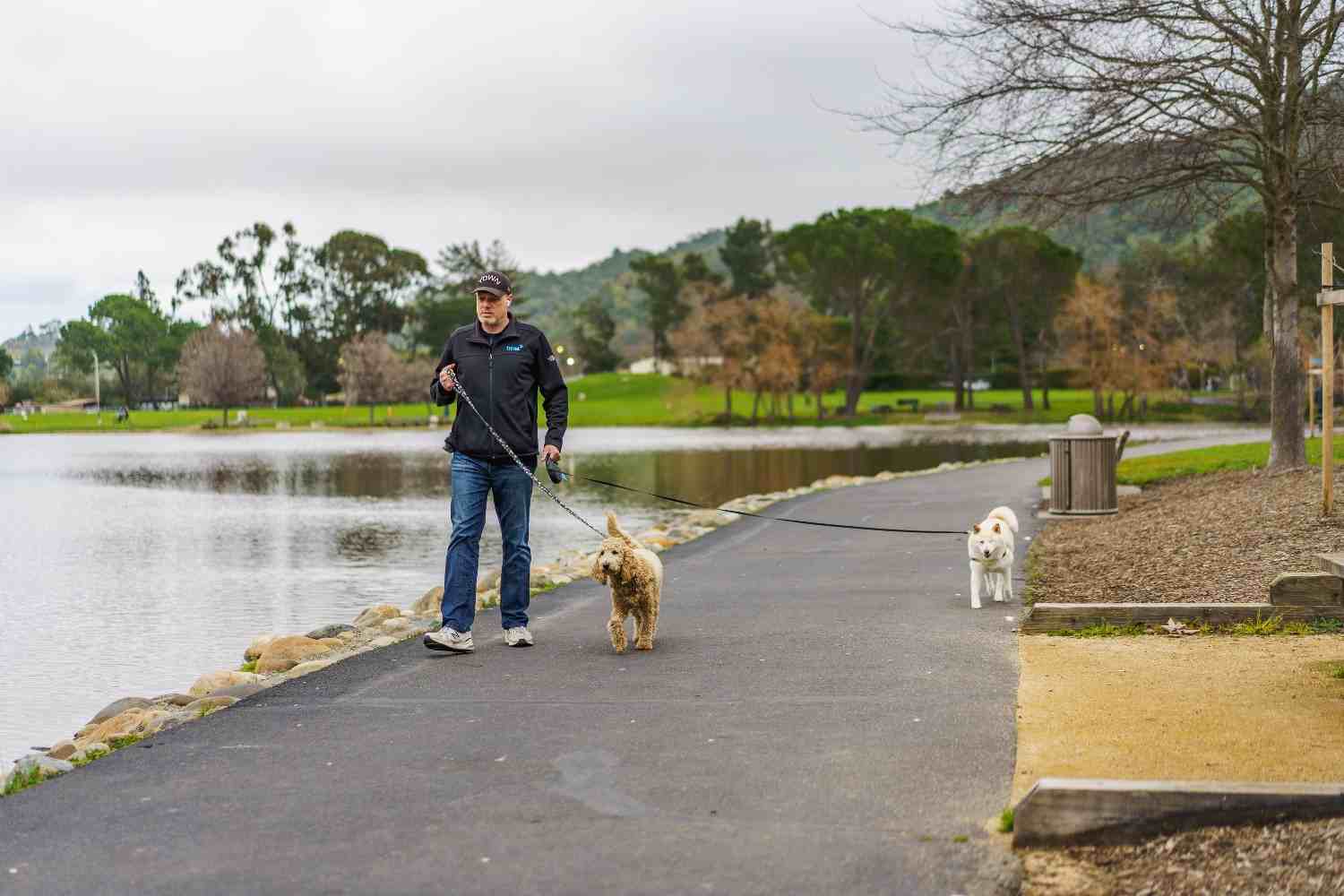
If your dog is unfamiliar with a harness, let them investigate it before putting it on.
Place the harness near your dog, allow them to sniff it, and reward calm curiosity with a treat.
Next, introduce the harness gradually.
-
Let your dog see and smell the harness.
-
Reward your dog for approaching it voluntarily.
-
Briefly place the harness on your dog if they are comfortable.
-
Reward them for standing or moving calmly while wearing it.
-
Attach the leash and allow your dog to walk around a safe indoor area under supervision.
Keep these sessions short and positive.
If your dog freezes, struggles, or repeatedly tries to escape, slow down and make the experience easier. Never force your dog through intense fear.
The objective is to help your dog associate the equipment with a comfortable, rewarding experience.
Step 2: Start Training Indoors or in a Quiet Yard
Do not begin leash training in a crowded park full of dogs, people, and wildlife.
Start somewhere your dog can concentrate.
Attach the leash and walk a few steps. When your dog moves with you and the leash remains loose, mark the behavior with a consistent word such as "yes" and offer a treat.
Repeat this process several times.
At first, reward even one or two steps of calm walking. As your dog improves, gradually increase the distance between rewards.
Keep the leash relaxed rather than pulling your dog into position.
Training tip: Reward your dog for choosing to stay near you. This teaches them that walking with you is worthwhile.
Step 3: Teach Loose-Leash Walking
Loose-leash walking is one of the most useful skills for hiking with dogs.
Your dog does not need to remain in a strict heel position. Instead, the leash should usually hang with some slack while your dog walks within a manageable distance.
Follow this process:
-
Begin walking at a comfortable pace.
-
Reward your dog when they walk with you and the leash stays loose.
-
Stop moving if your dog pulls and it is safe to do so.
-
Wait for your dog to release the tension.
-
Encourage them back toward you.
-
Resume walking and reward the loose leash.
You can also change direction when your dog starts pulling, provided the movement is safe and gentle.
Avoid jerking the leash or dragging your dog backward.
The UC Davis School of Veterinary Medicine's loose-leash walking guidance explains how rewarding desirable walking behavior and consistently responding to pulling can help dogs learn to walk on a loose leash.
Be patient. Early sessions may involve only a short distance before your dog needs another reminder.
Step 4: Teach Your Dog to Respond to Trail Commands
A hiking dog should learn several basic cues that help you manage everyday trail situations.
Start practicing these commands at home before using them outdoors.
"Let's go"
Use this cue when you want your dog to move forward with you.
Say the cue in a cheerful voice, take a few steps, and reward your dog for following.
"Wait"
Use this cue before crossing a narrow bridge, approaching a trail junction, or navigating an obstacle.
Begin with brief pauses on level ground. Reward your dog for waiting calmly before releasing them to continue.
"Leave it"
This cue teaches your dog to disengage from something you do not want them to approach or investigate.
Start with low-value distractions and reward your dog for turning away from the object.
Gradually practice with more challenging distractions while maintaining a safe distance.
"Come"
Recall training teaches your dog to return when called.
Practice indoors, then in a fenced area, and eventually in controlled outdoor environments.
Reward your dog generously for returning. Never punish them for coming back to you.
Recall is a valuable backup skill, but it does not replace a leash where one is required.
"Behind" or "this side"
You can teach your dog to move to a particular side of you when passing other hikers or navigating a narrow section of trail.
Choose a consistent cue, guide your dog into position, and reward them for remaining there briefly.
These commands can help you communicate more clearly during a hike.
Step 5: Practice Around Everyday Distractions
Hiking trails contain more distractions than most indoor training environments.
Your dog may encounter unfamiliar people, bicycles, other dogs, birds, squirrels, and new smells. Introduce these distractions gradually rather than exposing your dog to everything at once.
For example, practice loose-leash walking in a quiet neighborhood before moving to a busier park.
When your dog notices a distraction but remains calm, reward them for checking in with you or continuing to walk without pulling.
If your dog becomes overwhelmed, increase the distance from the distraction. Do not force your dog to approach another dog or person.
For dogs that bark, lunge, or panic around unfamiliar animals, working with a qualified, reward-based trainer before attempting challenging hikes can improve safety.
Step 6: Practice on Short Nature Walks
Once your dog walks comfortably in familiar surroundings, introduce easy outdoor routes.
Choose a quiet, relatively flat path with enough space to move away from distractions.
During these practice walks, focus on:
-
Keeping the leash loose.
-
Responding to your movement and verbal cues.
-
Stopping when asked.
-
Passing people calmly at a comfortable distance.
-
Ignoring unsafe objects on the ground.
-
Returning attention to you after noticing distractions.
Keep the first outings short enough that your dog can remain comfortable and engaged.
Your goal is not to cover a particular distance. It is to build reliable habits in increasingly realistic environments.
Step 7: Practice Trail-Specific Skills
Before attempting a difficult hike, practice the situations your dog may encounter on the trail.
Narrow paths: Teach your dog to walk close to you when space is limited.
Trail crossings: Practice waiting until you signal that it is safe to continue.
Uneven surfaces: Introduce gentle slopes, roots, and small obstacles without forcing your dog to jump or climb beyond their ability.
Passing other hikers: Reward your dog for staying calm while allowing others to pass.
Rest breaks: Teach your dog to settle beside you while you drink water or take a break.
Wildlife distractions: Practice noticing and disengaging from distractions at a safe distance. Keep your dog leashed and do not allow them to chase wildlife.
Gradually increase the difficulty of your training walks as your dog becomes more confident.
Do not use a challenging mountain trail as your dog's first training session.
Step 8: Take Your First Easy Hike
When your dog can walk on a loose leash in several outdoor environments and respond to basic cues, choose a beginner-friendly hike.
Before leaving home:
-
Check that dogs are permitted on the trail.
-
Review the leash rules and weather forecast.
-
Make sure your dog is healthy enough for the planned distance.
-
Pack water, treats, waste bags, and identification.
-
Check the harness and leash for proper fit and damage.
During the hike, keep your dog on the required leash and give them enough time to sniff without wandering into unsafe areas.
Take breaks before your dog becomes exhausted.
Afterward, inspect their paws and body for cuts, ticks, burrs, or other debris.
Increase the distance and difficulty gradually rather than assuming that successful leash training automatically means your dog is physically ready for a long hike.
How Long Does It Take to Leash Train a Dog for Hiking?
The time required depends on your dog's age, previous experience, temperament, and response to distractions.
A dog that already walks politely on a leash may need only a few weeks of trail-specific practice. A dog that pulls constantly or becomes highly excited around other animals may need considerably longer.
The following is an example of a gradual training schedule, not a guaranteed timeline.
| Training period | Main goal | Suggested practice |
|---|---|---|
| Week 1 | Get comfortable with the harness and leash | Short sessions indoors or in a quiet yard |
| Week 2 | Build loose-leash walking skills | Short walks in familiar surroundings |
| Week 3 | Practice around mild distractions | Quiet neighborhoods and uncrowded parks |
| Week 4 | Introduce easy nature paths | Short walks on simple, dog-friendly trails |
| Week 5 and beyond | Improve trail manners and stamina | Gradually increase difficulty according to your dog's progress |
Some dogs progress more quickly, while others need additional time at each stage.
If your dog struggles with a particular skill, return to an easier environment and reinforce the basics before progressing.
Remember: Leash training and physical conditioning are different. Even a dog that walks beautifully on a leash needs adequate fitness for the planned hike.
Common Leash Training Mistakes to Avoid
Even well-intentioned dog owners can accidentally make leash training more difficult.
Avoid these common mistakes to help your dog develop safer walking habits.
1. Starting on a Difficult Trail
A crowded, steep, or wildlife-rich trail can overwhelm a dog that has not learned basic leash skills.
Start with familiar environments and increase distractions gradually.
2. Allowing Pulling Sometimes but Not Always
If pulling sometimes gets your dog where they want to go, the behavior may continue.
When it is safe, stop or change direction when the leash becomes tight. Reward your dog when they return to a loose leash.
Be consistent while allowing appropriate sniffing and exploration.
3. Using Leash Corrections Instead of Teaching
Repeatedly jerking the leash may frighten your dog or cause injury, particularly if force is applied to the neck.
Instead, teach your dog what you want them to do and reward successful behavior.
A well-fitted harness, consistent cues, and reward-based training can help you manage pulling without relying on painful corrections.
4. Expecting Perfect Behavior Too Quickly
Dogs do not automatically understand that the rules of a quiet neighborhood also apply to a forest trail.
New smells, animals, and terrain may make familiar skills more difficult.
Reduce distractions, reward small successes, and increase difficulty gradually.
5. Ignoring Signs of Stress or Fatigue
A dog that stops responding, repeatedly tries to escape, lags behind, or pants excessively may be uncomfortable, stressed, or tired.
Pause and assess the situation rather than insisting on finishing the route.
Seek veterinary advice when symptoms are unusual, persistent, or concerning.
6. Relying on Recall Instead of a Leash
Even a well-trained dog can become distracted by wildlife or unfamiliar sounds.
Do not assume that a reliable recall makes off-leash hiking safe or legal.
Follow local rules and keep your dog leashed wherever required.
Choosing the Best Leash for Hiking With Dogs
The best hiking leash depends on your dog's size, pulling behavior, the terrain, and the level of control you need.
For many beginners, a standard six-foot leash is a sensible starting point.
| Leash type | Main advantage | Potential limitation | Best use |
|---|---|---|---|
| Standard six-foot leash | Reliable control and simple handling | Less room to explore | Beginner hikes and narrow trails |
| Hands-free hiking leash | Allows some freedom of movement for the handler | Sudden pulling may affect balance | Experienced handlers with dogs that walk politely |
| Long line | Provides more room for supervised exploration | Can tangle or snag on vegetation | Open areas where permitted and appropriate |
| Retractable leash | Offers adjustable distance | Can be difficult to manage in crowded or technical areas | Generally unsuitable for challenging hiking trails |
For most beginners, prioritize control, durability, and ease of handling over maximum leash length.
A hands-free leash is not automatically safer. If your dog pulls suddenly, the force can affect your balance, particularly on steep or slippery terrain.
Never wrap a leash around your hand, and avoid allowing it to become tangled around your legs.
Should You Use a Harness or Collar for Hiking?
Both harnesses and collars can play a role in your dog's equipment setup, but they serve different purposes.
A properly fitted harness distributes leash pressure across the body rather than concentrating it on the neck. It may be especially useful for dogs that pull or for handlers who need better control.
A collar can hold identification tags and provide an additional point of security.
For dogs with respiratory problems, neck sensitivity, or a history of injury, ask your veterinarian about suitable equipment.
Regardless of which equipment you choose, check the fit regularly and make sure your dog cannot slip free.
No harness or collar makes an untrained dog safe around dangerous terrain or wildlife.
How to Manage Pulling While Hiking
Pulling is one of the most common challenges when hiking with dogs.
New smells, moving animals, and the excitement of being outdoors can make a dog more eager to move ahead.
Use the following techniques to reinforce better leash behavior.
Stop When the Leash Becomes Tight
When your dog pulls, stop moving if you can do so safely.
Wait for your dog to ease the tension. Reward them when they return toward you or the leash becomes loose, then continue.
Avoid standing still in a dangerous location, such as a narrow cliffside path. Move to a safe area before continuing training.
Reward Your Dog for Checking In
Whenever your dog voluntarily looks toward you, reward them with praise or a treat.
This encourages your dog to pay attention to you even when the surroundings are interesting.
Over time, checking in can become a useful habit during hiking.
Use Sniffing as a Reward
Sniffing is an important part of how dogs explore their environment.
You can use access to safe, permitted sniffing opportunities as a reward for walking calmly.
For example, ask your dog to walk with a loose leash for a short distance, then use a cue such as "go sniff" to release them to investigate an appropriate area.
This gives your dog opportunities to explore without making every walk a battle over the leash.
Reduce the Difficulty When Necessary
If your dog pulls continuously, they may be too excited or distracted to learn in that environment.
Move farther away from the distraction or return to a quieter path.
Practice easier skills until your dog can respond successfully, then gradually increase the challenge.
Essential Safety Tips for Hiking With a Leashed Dog
Good leash manners are only one part of responsible hiking.
You should also consider your dog's physical condition, the weather, trail rules, and the potential hazards along your route.
Check Trail Rules Before You Leave
Not every trail allows dogs, and some areas require dogs to remain leashed at all times.
Check the official website of the park or land manager before your visit.
The National Park Service recommends checking park-specific restrictions, choosing trails appropriate for your pet, and keeping dogs on a six-foot leash in national parks.
Bring Enough Water
Dogs can become overheated during exercise, especially in warm weather or on strenuous routes.
Bring sufficient water for both you and your dog, and offer regular drinking opportunities.
Watch for excessive panting, unusual weakness, vomiting, or other signs of overheating. Stop exercising and seek veterinary help promptly if you suspect heat-related illness.
Protect Your Dog's Paws
Rough rocks, sharp debris, hot surfaces, and ice can damage paw pads.
Inspect your dog's paws before and after hiking.
If you plan to use dog booties, introduce them gradually at home so your dog can become comfortable wearing them.
Keep Your Dog Away From Wildlife
Wildlife encounters can injure your dog, other animals, or people.
Keep your dog on a leash, maintain a safe distance, and never allow your pet to chase or approach wild animals.
If you encounter wildlife, calmly increase the distance whenever possible and follow local wildlife guidance.
Choose a Suitable Trail
Consider your dog's age, health, fitness, size, and experience.
A short, flat trail may be appropriate for a beginner, while a steep, rocky route may be unsuitable.
Puppies, senior dogs, and dogs with health conditions may need special precautions. Ask your veterinarian if you are uncertain whether a planned hike is appropriate.
Take Breaks and Monitor Your Dog
Watch your dog throughout the hike.
Slow down or stop if your dog begins lagging behind, repeatedly seeks shade, seems reluctant to continue, or shows signs of pain or exhaustion.
Do not force your dog to finish the route if they are struggling.
What to Pack for a Dog Hiking Trip
Preparing a simple hiking kit helps you respond to your dog's needs without carrying unnecessary equipment.
Use this checklist before leaving home.
- Well-fitted dog harness.
- Sturdy six-foot leash.
- Collar with current identification.
- Training treats.
- Sufficient drinking water.
- Collapsible water bowl.
- Waste bags.
- Dog-safe first-aid supplies.
- Paw protection when appropriate.
- Reflective equipment if visibility may be poor.
- Any necessary medications.
- A charged phone and details of the nearest veterinary service.
For longer or more remote hikes, consider additional supplies appropriate to the route, season, and your dog's needs.
Frequently Asked Questions About Leash Training for Hiking With Dogs
1. How do I leash-train my dog for hiking?
Start in a quiet indoor area or yard. Introduce the harness and leash gradually, reward loose-leash walking, and teach basic cues such as "wait," "leave it," and "come." Progress to quiet outdoor walks before attempting easy hiking trails.
2. What is the best leash length for hiking with a dog?
A standard six-foot leash is a practical choice for many hiking situations because it provides a useful balance between control and freedom. Always follow the trail's leash requirements and adjust your handling to the terrain and surrounding activity.
3. Should my dog wear a harness or collar while hiking?
A well-fitted harness is a good option for many hiking dogs, particularly those that pull. A collar can hold identification tags. Choose equipment that fits securely and comfortably, taking your dog's health and behavior into account.
4. How do I stop my dog from pulling on hiking trails?
Practice loose-leash walking in quiet environments before moving to more challenging trails. When your dog pulls, stop if it is safe, wait for the leash to loosen, and reward your dog before continuing. Avoid jerking the leash or dragging your dog.
5. Can I use a retractable leash for hiking?
Retractable leashes can be difficult to manage on narrow, rocky, or crowded trails. A standard leash usually provides more predictable control. If you use a longer line in an open area, check local rules and make sure it will not tangle with vegetation, other hikers, or animals.
6. How long does it take to train a dog to walk on a leash?
The timeline varies according to your dog's experience, temperament, and consistency of training. Some dogs learn basic loose-leash walking within a few weeks, while others need longer. Trail-specific skills require additional practice around distractions.
7. Can puppies go hiking on a leash?
Puppies can begin learning basic leash skills when they are ready for training, but strenuous hiking may be inappropriate for a growing dog. Consider age, vaccination guidance, terrain, distance, and individual development. Ask your veterinarian about suitable exercise and safe outdoor exposure.
8. How can I keep my dog calm around other hikers and dogs?
Begin at a comfortable distance where your dog can notice other people or dogs without becoming overwhelmed. Reward calm behavior and gradually practice in busier environments. Do not force greetings, and seek help from a qualified reward-based trainer if your dog lunges, growls, or becomes highly distressed.
9. Should I let my dog off-leash while hiking?
Only consider off-leash hiking where it is explicitly permitted and where your dog has the necessary training and environmental control. A reliable recall does not eliminate the risks posed by wildlife, cliffs, roads, or other trail users. When in doubt, keep your dog leashed.
10. What should I do if my dog refuses to walk on a hiking trail?
Stop and assess the situation. Your dog may be frightened, tired, overheated, injured, or uncomfortable with the terrain. Give them time and space, and avoid dragging them forward. If the behavior is sudden or accompanied by signs of pain or illness, seek veterinary advice.
Final Thoughts
Leash training for hiking with dogs takes patience, consistency, and gradual practice. Teaching your dog to walk calmly, respond to basic cues, and remain attentive around distractions helps make outdoor adventures safer for everyone.
Start with short training sessions at home, progress to quiet walks, and introduce easy trails only when your dog is ready. Choose appropriate equipment, follow local leash rules, bring enough water, and respect wildlife and other hikers.
Most importantly, remember that successful hiking is not about covering the greatest distance. It is about helping your dog explore safely while enjoying time together.
Ready to prepare for your next adventure? Visit TheOutdor for more practical dog-care advice, outdoor safety tips, and guidance on choosing gear for your next walk or hike.
SHARE
0 comment
Be the first to comment